PILOT 3 (pt.1): ‘Unveiling Fashion 2.0’


ac.xyz.exchange is a research project supported by Dr Gavin Clark, Director of Enterprise and Commercialisation and Alisdair Aldous, Director of Strategy & Knowledge Exchange. Together we aim to uncover new ways to foster enhanced circular and entrepreneurial outcomes for students.
Micro and small enterprises (MSEs) in the UK fashion industry contribute the most to IP creation and the dissemination of UK art and culture on the global stage, fair compensation is not attainable due to numerous significant and systemic blocks (the rapid growth in AI adoption could make this inequity worse still!). Leading to a situation of ever increasing induced-obsolescence, unethical manufacturing and over production as necessitated by fashion’s large multi-nationals.
Initiatives such as the EU Strategy for Sustainable and Circular Textiles, and associated global legislative measures, have created the need for the development of new working methods for MSEs and independent designer makers. There is an opportunity to utilise new technologies for the democratisation of IP creation and innovation within the design and manufacture process, to increase the sustainability, efficiency and profitability of MSE’s.
Phase 1: April 2024 - June 2024
Here you can see an overview of our interim report; an insight into the current state of our R&D efforts and an outline of the future of fashion as we see it.
‘Fashion 2.0’ is a new social-economic paradigm driven by technological innovation, with zero-inventory and circular business models at its heart. We believe that MSEs are best suited to lead this paradigm shift. Our research involves the beta-testing of new modes of production and integrating innovative technological protocols within already established working processes. Our aim is to gain insight into how UAL can be at the forefront of empowering designers and educators with the tools to bring into reality a fairer and more sustainable fashion future.
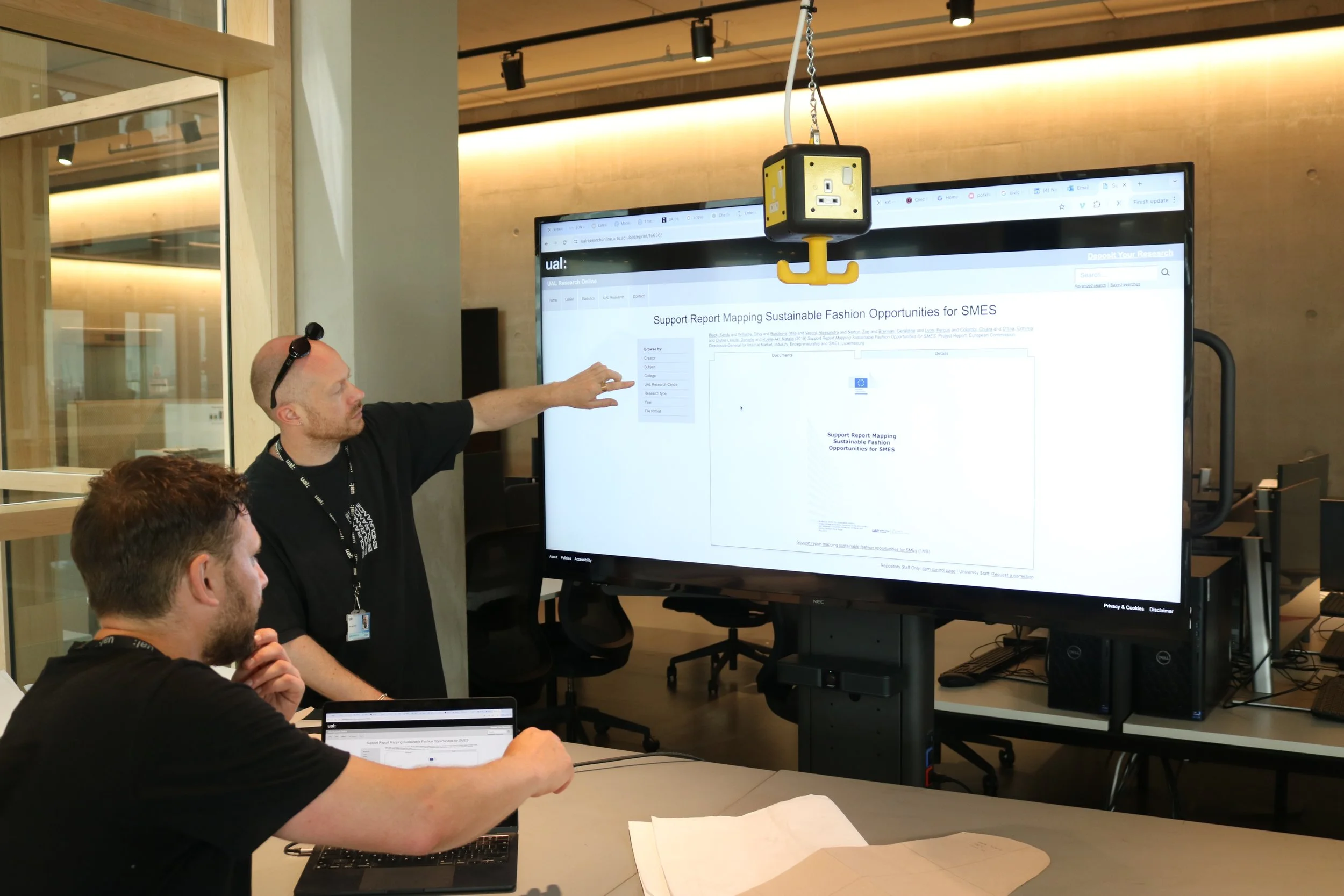
Practicing the Change: 'Fashion 2.0' Incubator
Alongside forming the hypothesis, we have been working together with Hackney Harbour, a project created by current LCF MA Fashion Entrepreneurship and Innovation student, Elliot Cano.
Initially offered through his course was a potential consultation with investment professionals via the typical problem/solution pitch framework. But because investment wasn’t required, there was no opportunity to get the help he specifically needed. That is, an incubation program to assist with the pattern design, cutting, and manufacturing of the collection within a ‘fashion 2.0’ structure; conducive with a small - yet directional - start up fashion brand.
Key to the brand’s values are quality and sustainability. This didn’t seem to be economically viable within the traditional fashion system, but through integrating new technological protocols in his design process, we have found that many of the issues faced could be mitigated. Inter-disciplinary collaboration was made easier within the institution through incentivisation, and outside of the institution through trust-enabling notarisation functions. These functions allowed for the possibility of local low-MOQ manufacturer and supplier partnerships, increasing the sustainability, quality, and economic viability of the project.
Insofar as record-keeping and transfer no longer needed to be undertaken manually, compliance with current and future legislative requirements were made easier, as were the tracking of key sustainability metrics.
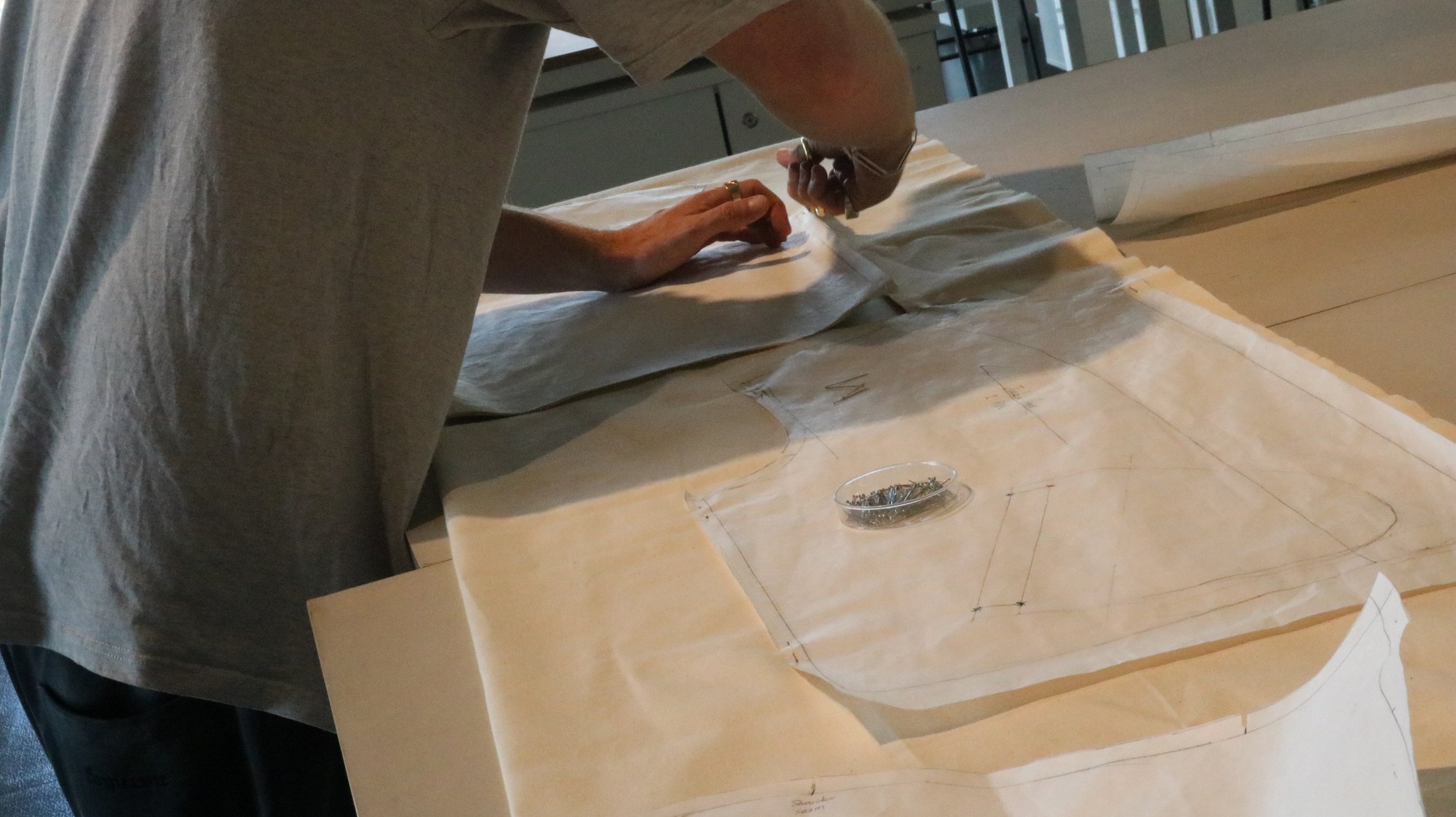
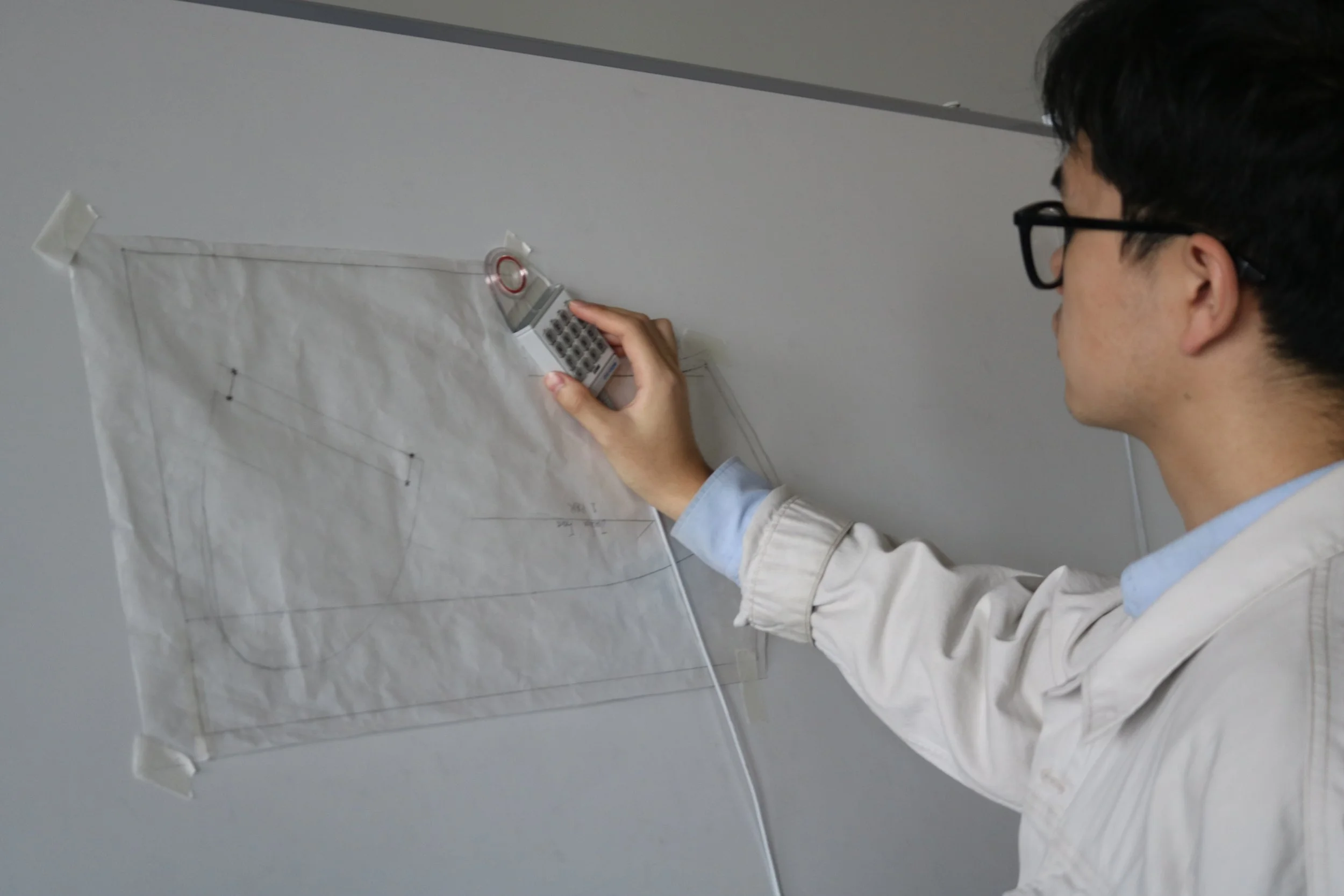
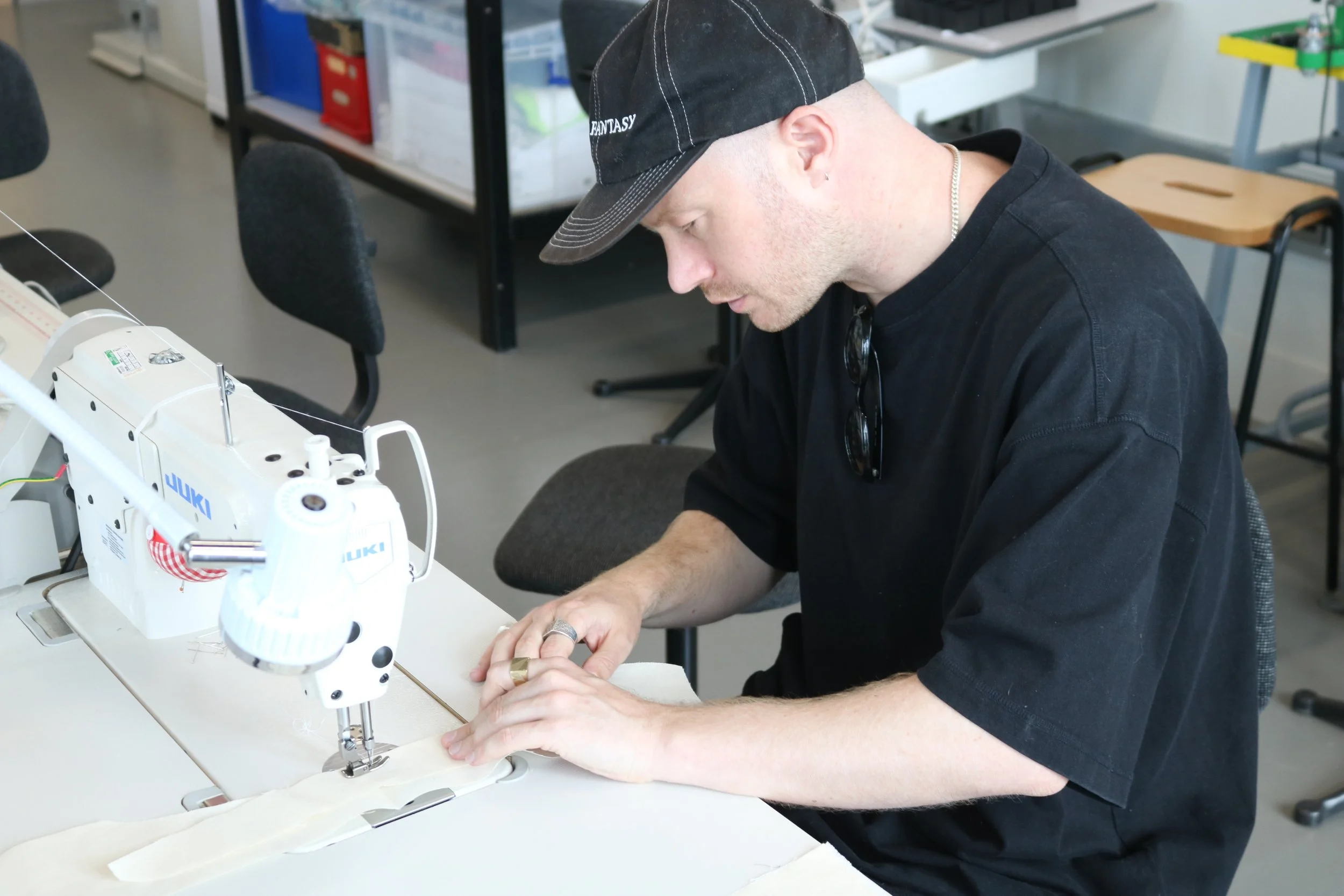
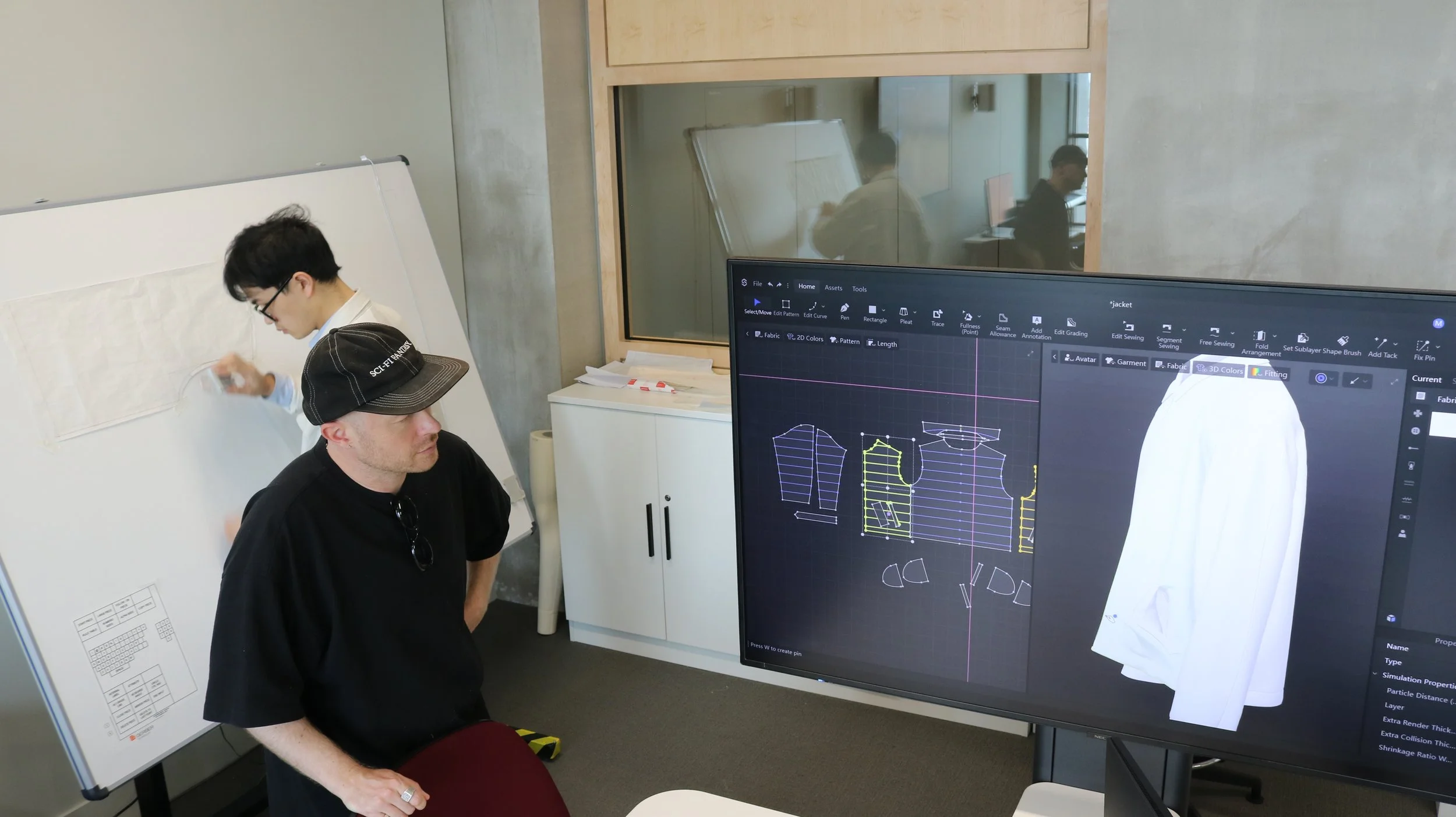
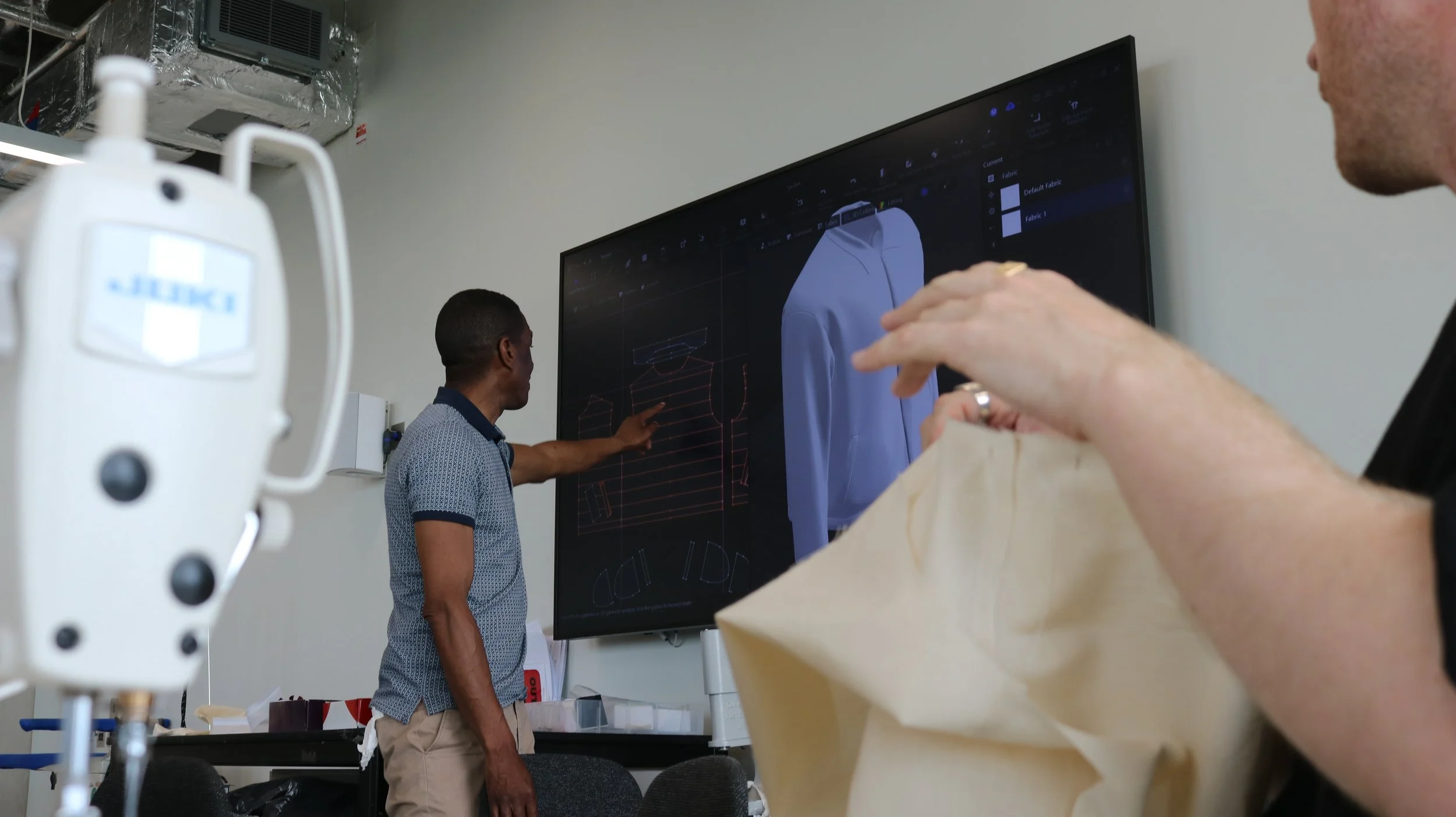
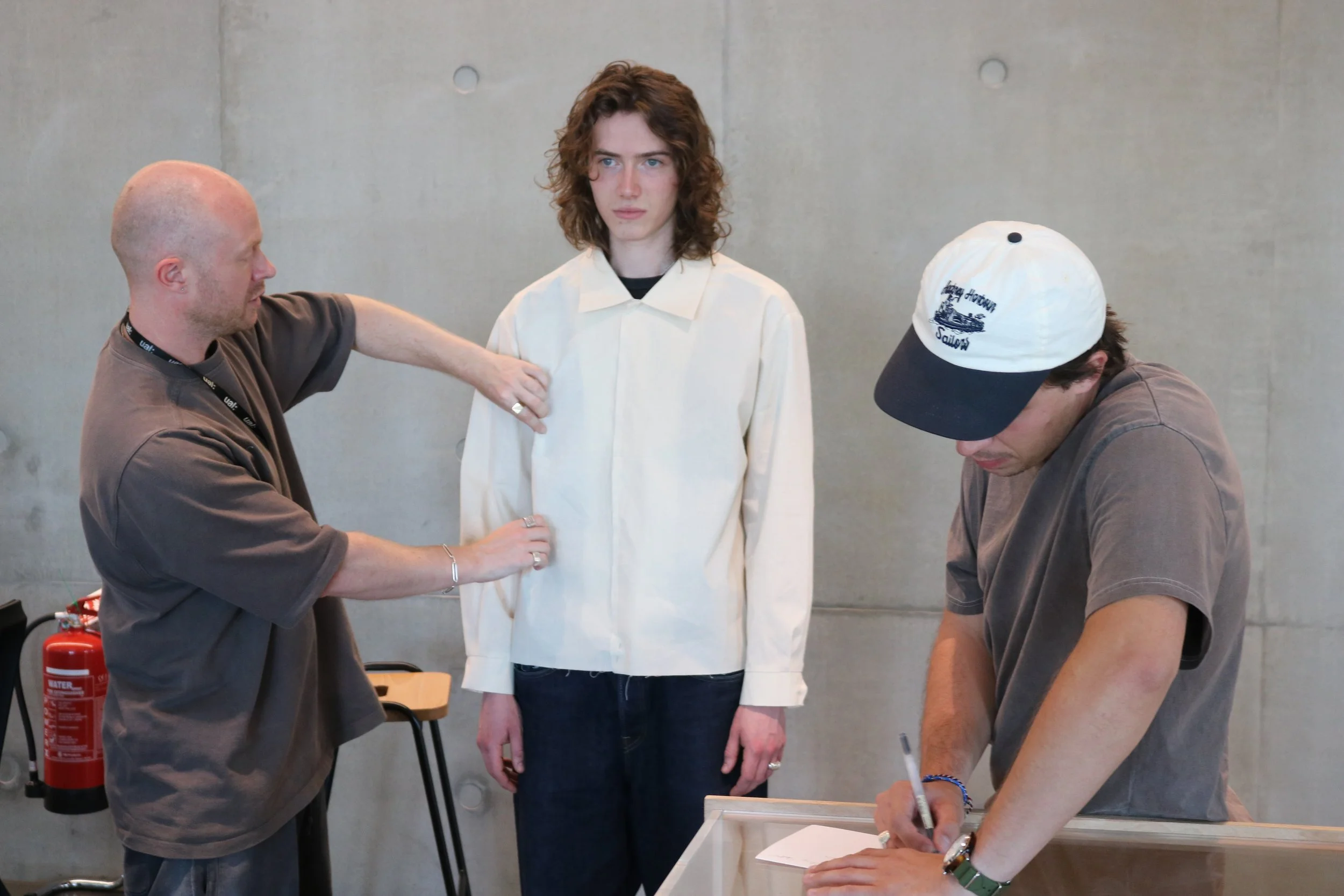
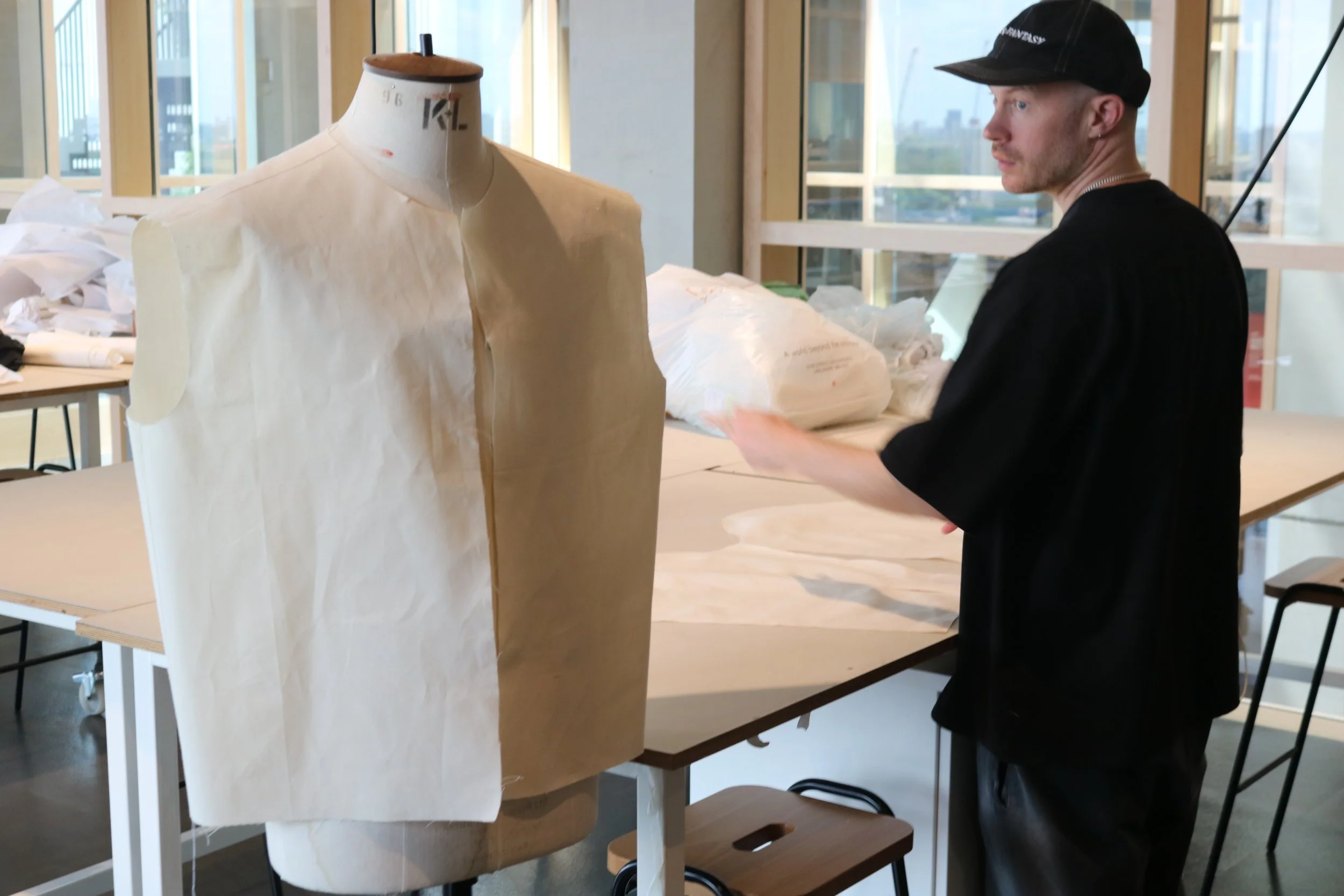
Hackney Harbour draws inspiration from the rich history of the sea and canals, with a focus on the history and legacy of the Queen Elizabeth Park and surrounding areas. A continuous journey of self-discovery, and the fusion of past and present.
The mission at Hackney Harbour is to offer unique, size-free clothing that is accessible to everyone, regardless of gender. They strive to blend the robust, practical spirit of canal workers with the free-spirited essence of seaside living, creating apparel that resonates with the soul of the adventurer in each of us. By crafting each piece as a narrative, they aim to connect individuals to the rich tapestry of stories that shape our world, inviting them to embark on a journey of self-discovery and exploration.
Phase 2: July 2024 - September 2024
Interrogating the Hypothesis
Phase two of our project involves further investigation and development of research with UAL’s Fashion Business School. We are conducting critical research that will explore, rationalise and capture the impact and opportunities within fashion and Higher Education in ‘Fashion 2.0’. Aiming to provide insights on the potential for HE arts institutions to increase Enterprise resource and support through solving issues around the structure, culture, and metrics of spin-outs and student/graduate incubation. Demonstrating the opportunity for interdisciplinary learning and collaboration experiences and beginning the process of embedding further sustainable teaching and working practices.

Unveiling Fashion 2.0: A Paradigm Shift Towards Sustainable and Inclusive Fashion
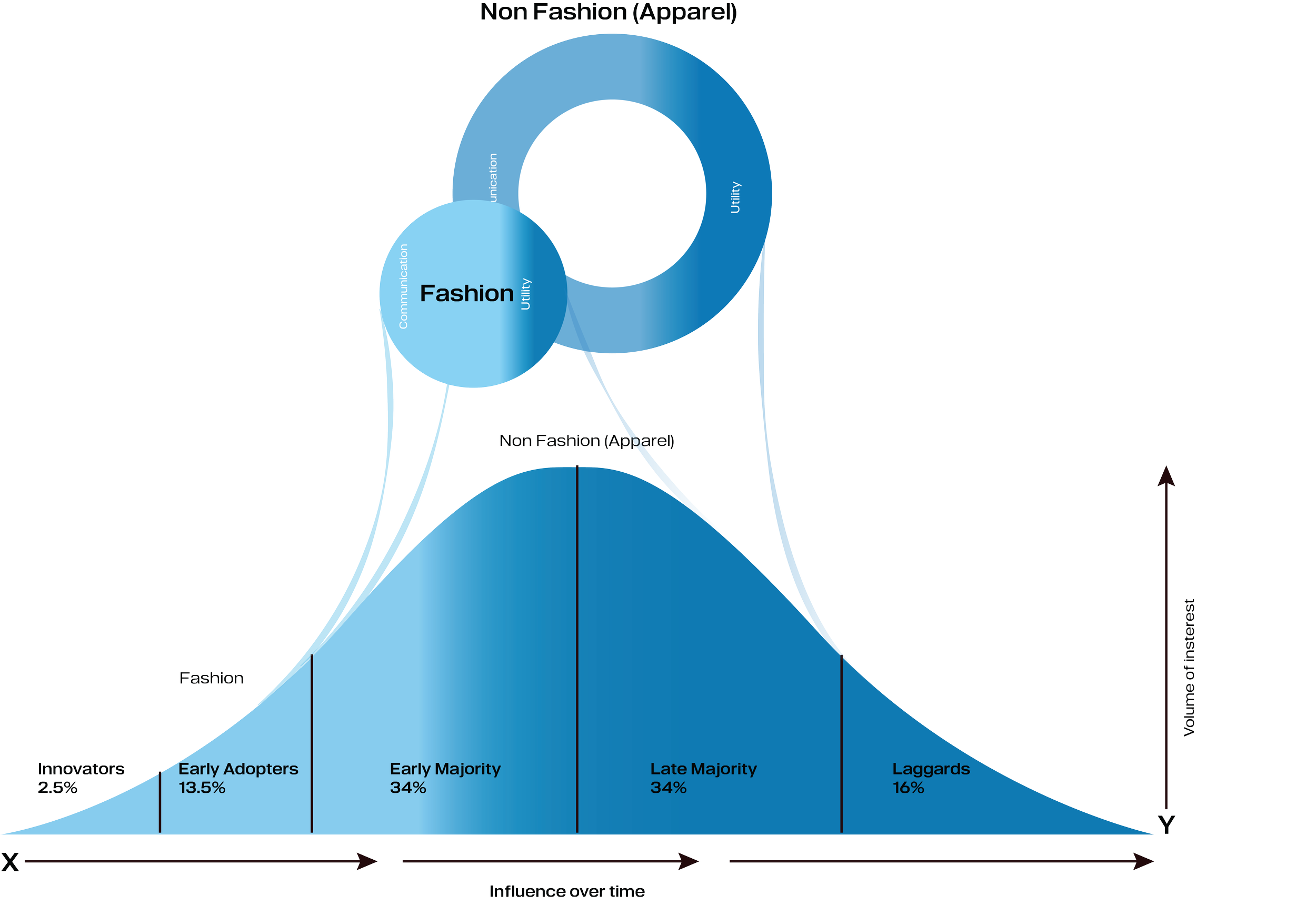
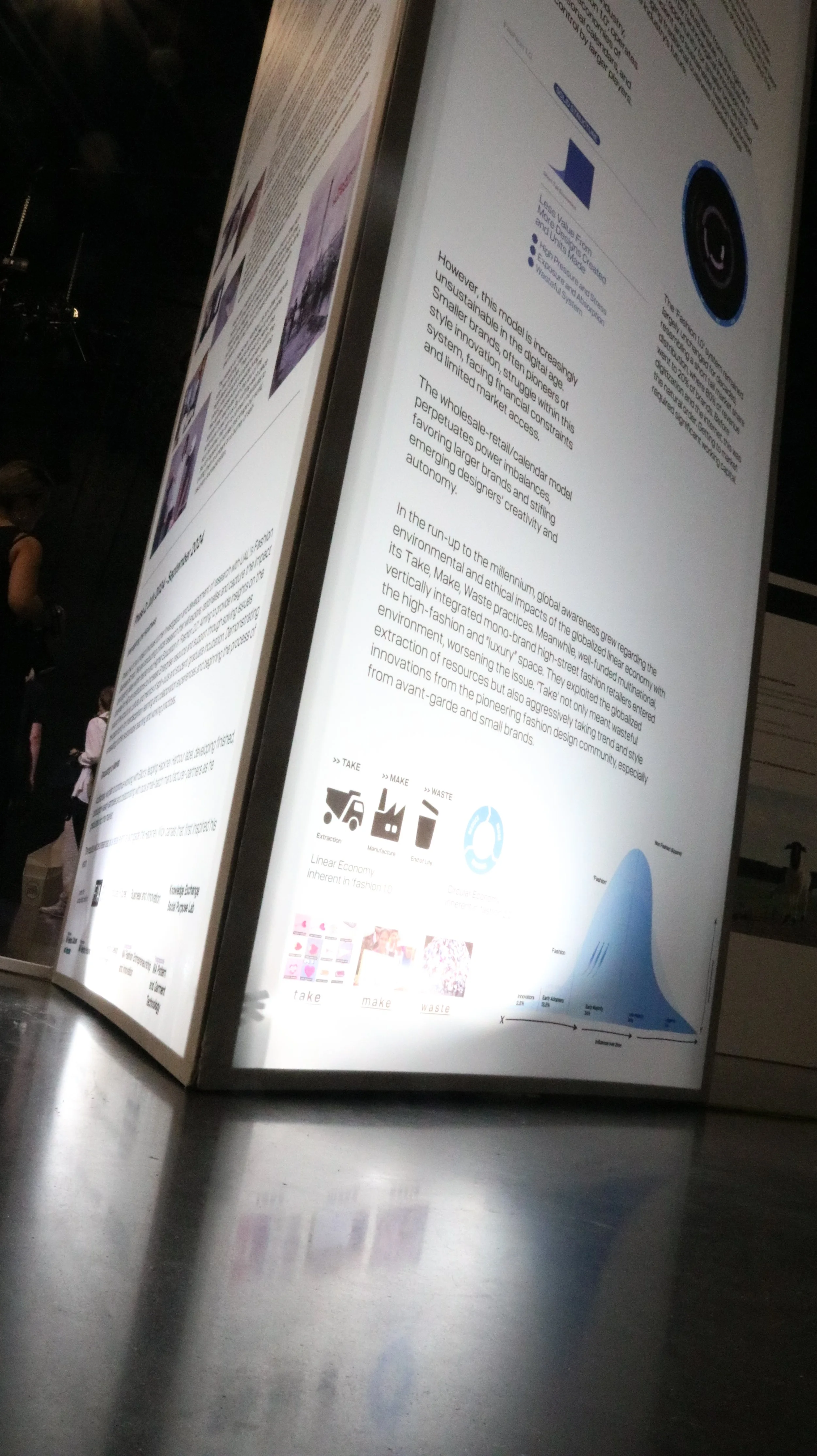
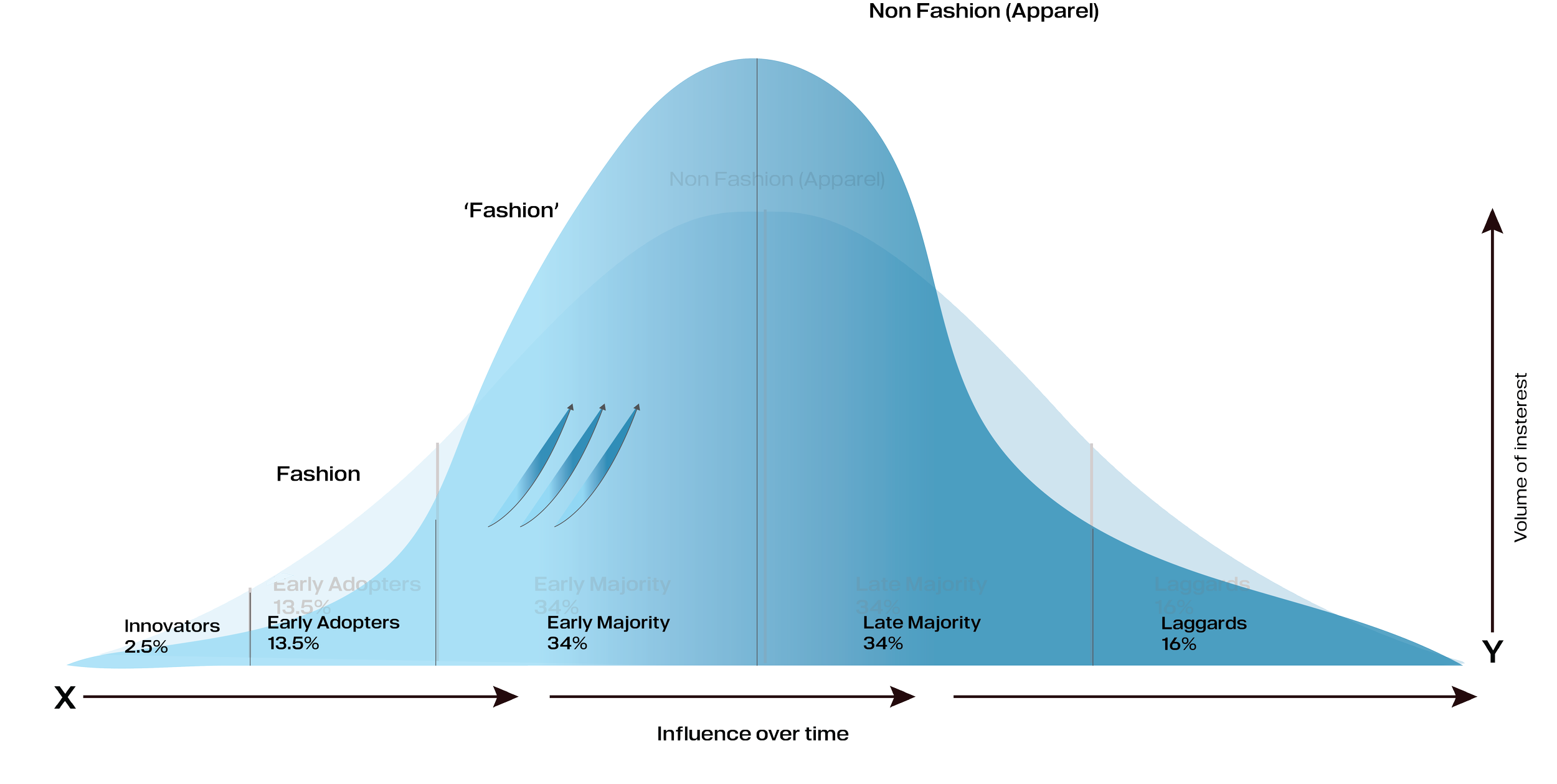
All apparel is part utility and part communication. All fashion is apparel but can be seen as more aligned with artistic cultural moments, movements, and communications than simply utility. In reality, nothing is truly separated; all things are connected. This can be best understood within the Rogers diffusion framework, with the x-axis showing time and the y-axis showing volume.
The fashion industry is undergoing a seismic transformation from the rigid and unsustainable norms of Fashion 1.0 to a more agile, sustainable, and inclusive model we have termed ‘Fashion 2.0’. This shift, driven by technological innovation and changing consumer demands, presents an opportunity for smaller brands to lead the charge towards a more equitable, efficient and sustainable fashion landscape. By embracing digital tools and challenging traditional business models, these emerging brands are reshaping the industry’s future.
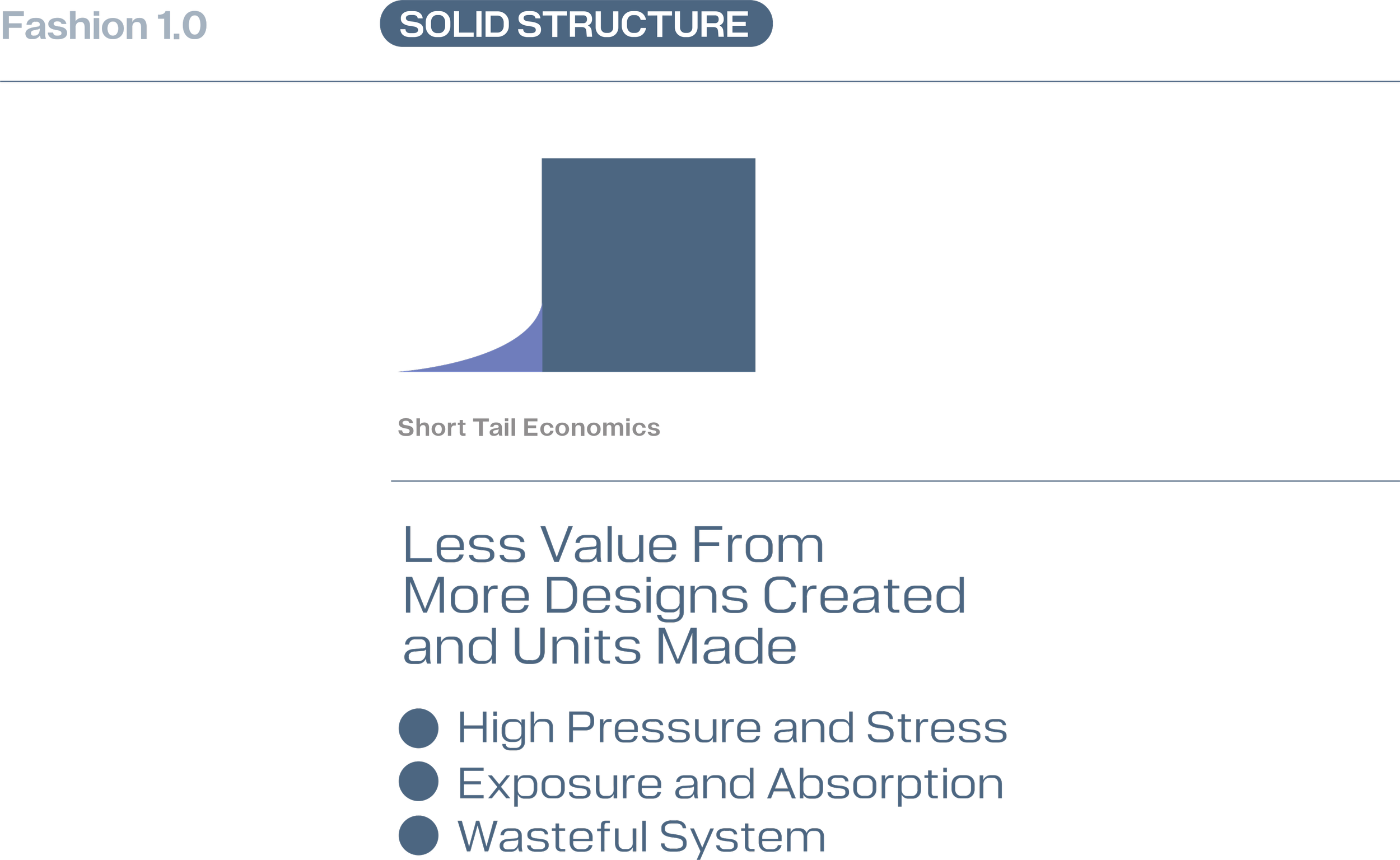
The ‘Fashion 1.0’ system remained largely unchanged for decades, resembling a short tail market share distribution, where 80% of revenue went to 20% of brands. Before digitization and the internet, this was the natural order. Getting to market required significant working capital.
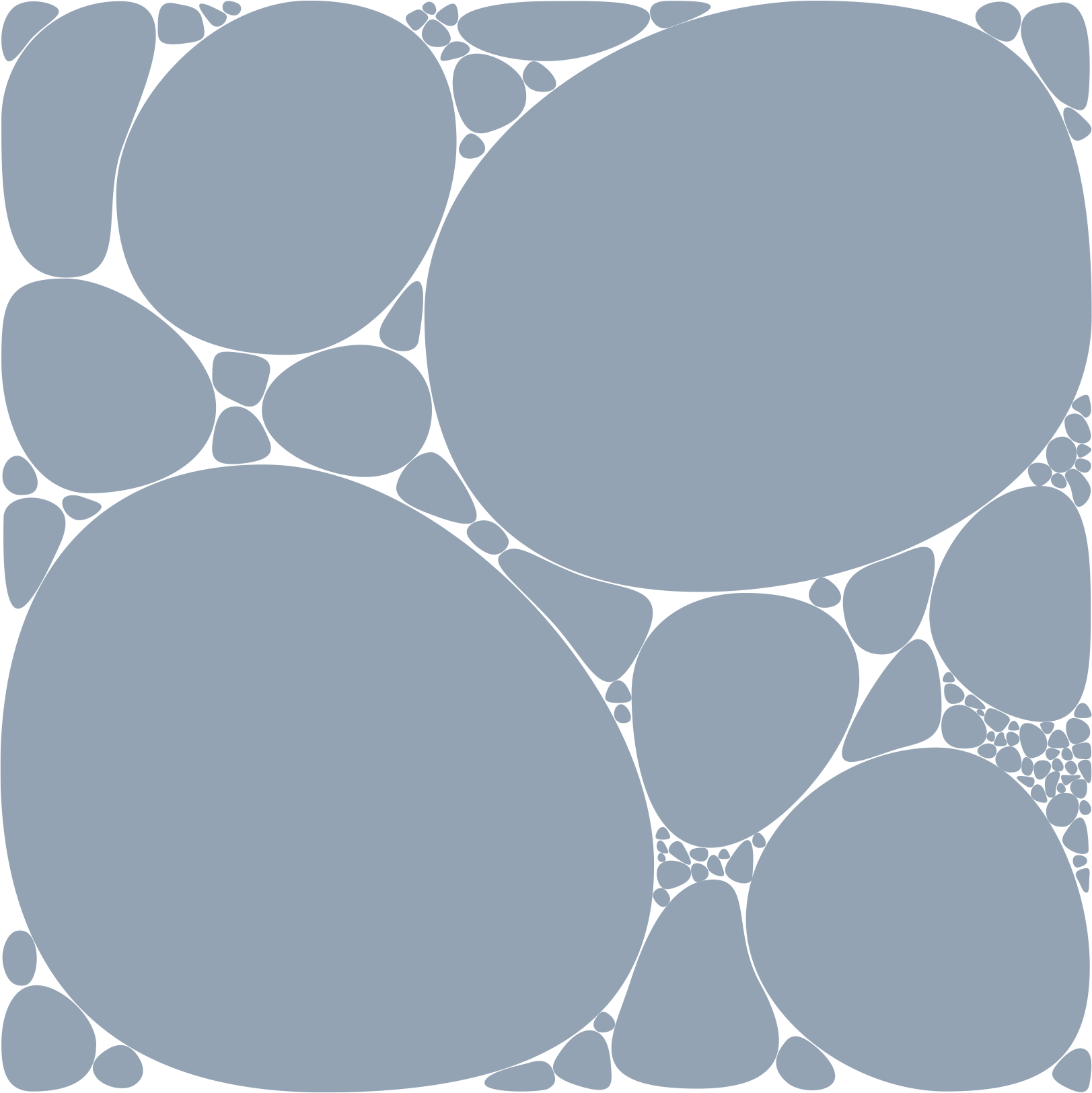
However, this model is increasingly unsustainable in the digital age. Smaller brands, often pioneers of style innovation, struggle within this system, facing financial constraints and limited market access.
The wholesale-retail/calendar model perpetuates power imbalances, favoring larger brands and stifling emerging designers’ creativity and autonomy.
In the run-up to the millennium, global awareness grew regarding the environmental and ethical impacts of the globalized linear economy with its Take, Make, Waste practices. Meanwhile, well-funded multinational, vertically integrated mono-brand high-street fashion retailers entered the high-fashion and “luxury” space. They exploited the globalized environment, worsening the issue. ‘Take’ not only meant wasteful extraction of resources but also aggressively taking trend and style innovations from the pioneering fashion design community, especially from avant-garde and small brands.
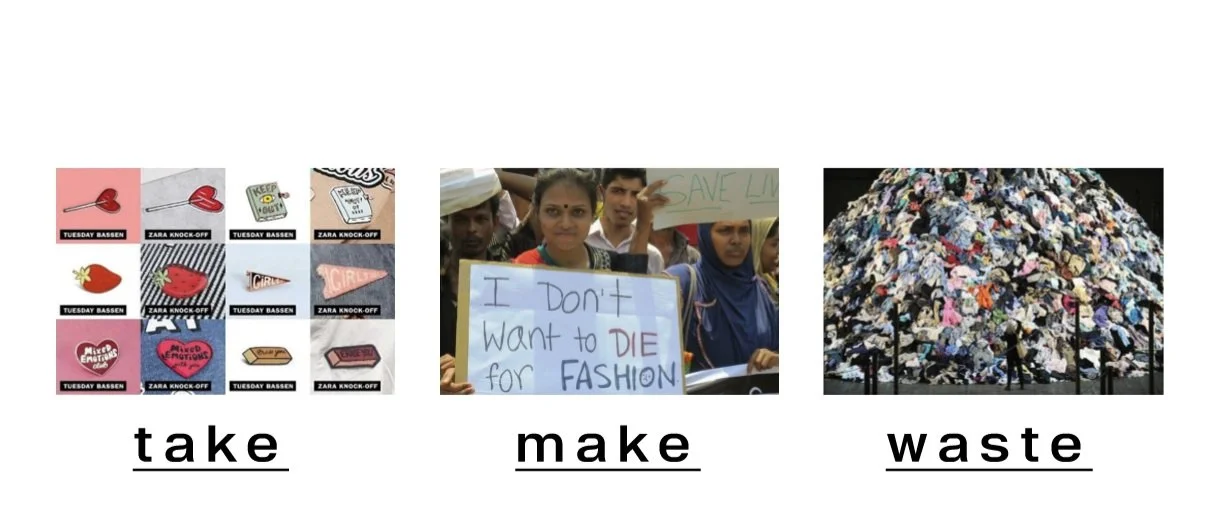
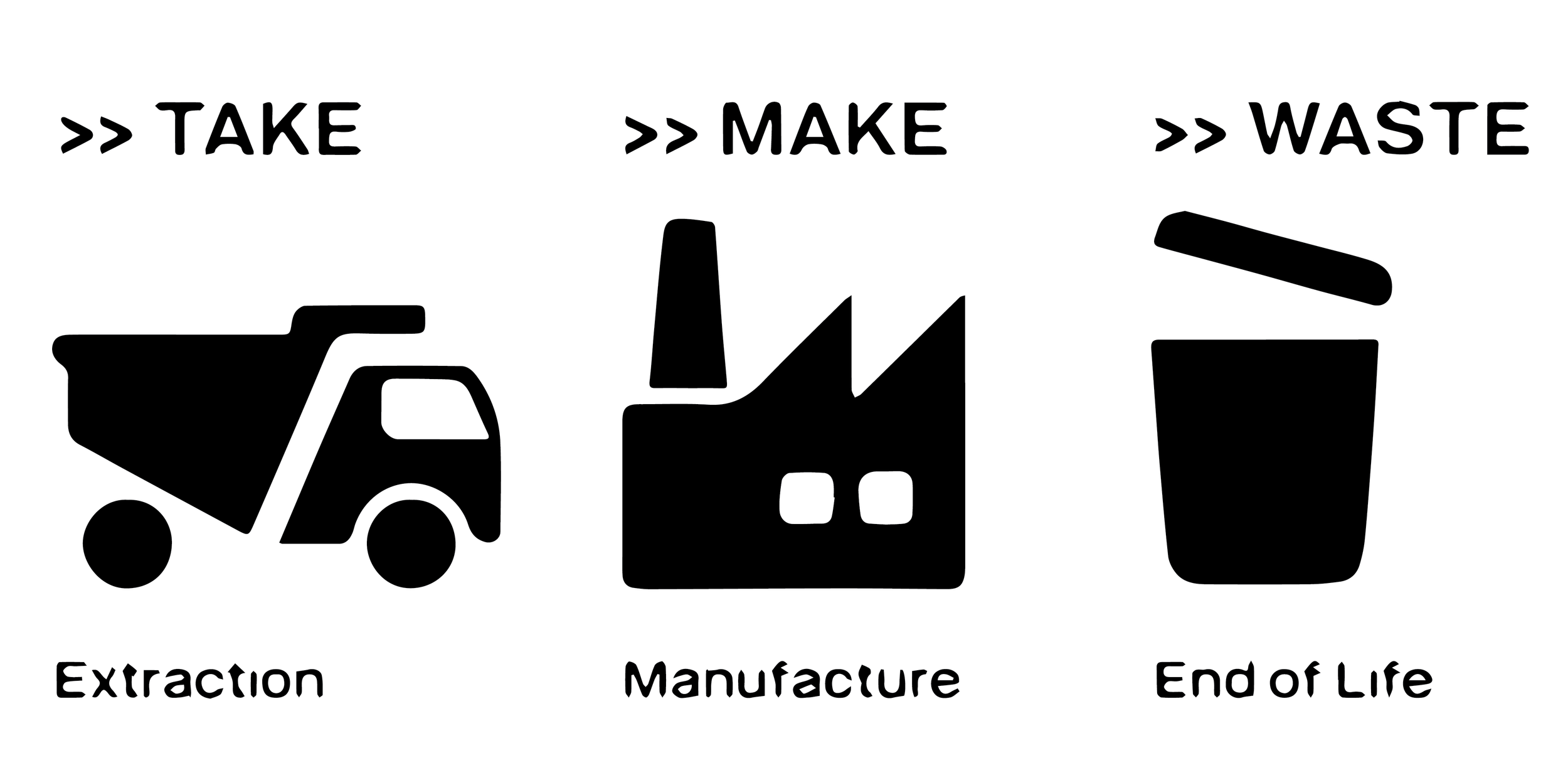
Linear Economy, inherent within ‘Fashion 1.0’
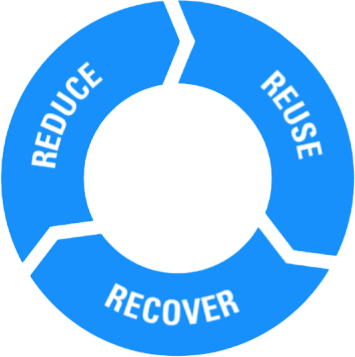
Circular Economy, inherent within ‘Fashion2.0’

Some industry experts may argue that ‘Fashion 2.0’ occurred around 10-15 years ago, mirroring the timeline of web 2.0, this narrative overlooks the nuanced shifts and ongoing challenges within the fashion industry.
The term “Fashion 2.0” may be more accurately viewed as a misnomer, as it fails to capture the full extent of the transformative changes currently underway. For example, what was considered by many as the Fashion 2.0 shift
(c. 2010), characterised by the full emergence of social media, pure-play e-commerce and resale platforms,
could, with the benefit of hindsight, more accurately be termed as ‘Fashion 1.5’.
This period didn’t fundamentally alter the underlying wasteful, unethical and undemocratic structure of the industry.
Similarly, the assertion that we are now entering ‘Fashion 3.0’, aligning with web 3.0 and industry 3.0, may be premature and misrepresentative of the complexities of the industry’s evolution. Instead, it is essential to recognize the ongoing nature of fashion’s digital transformation and the multifaceted factors driving this change.
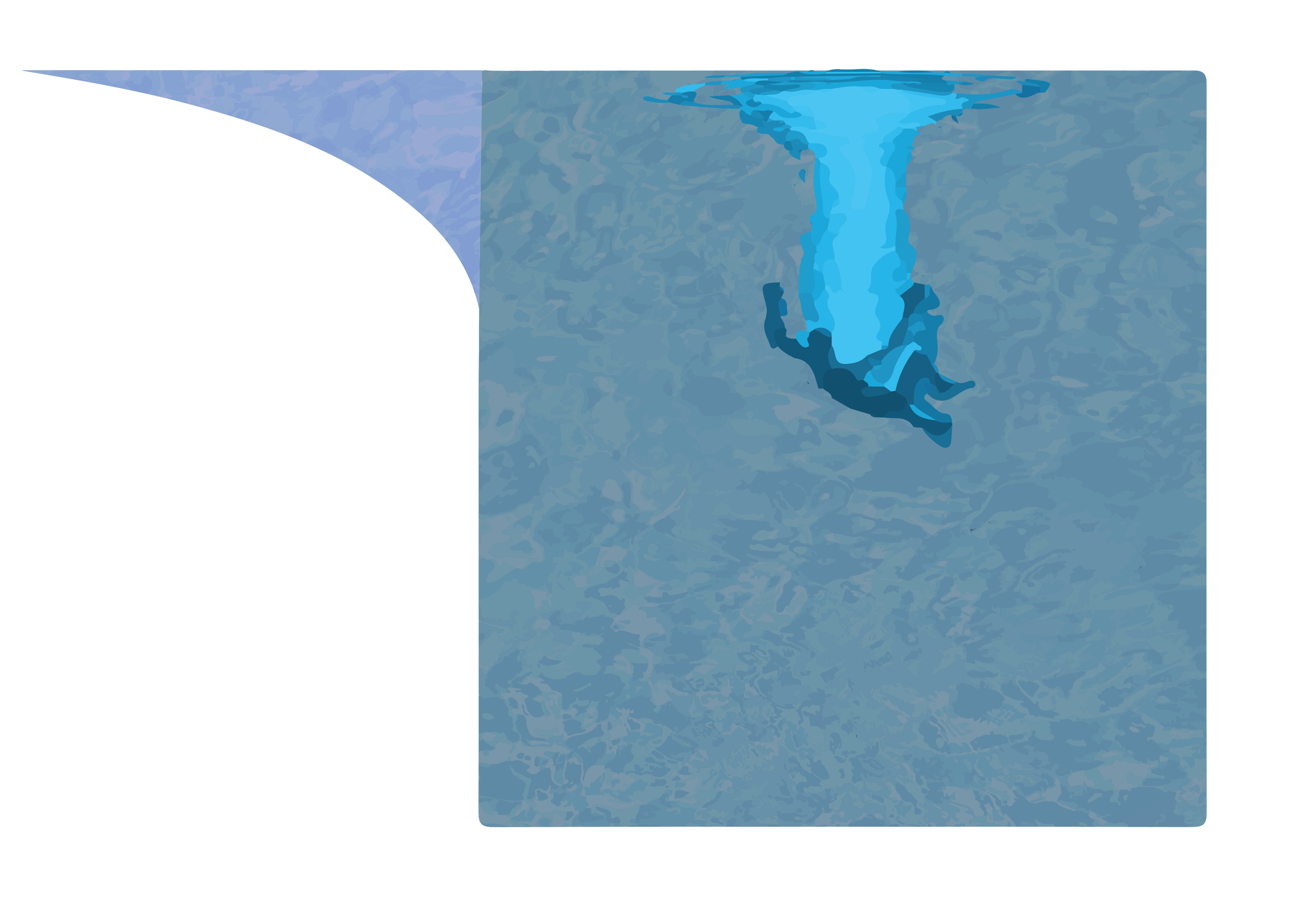
There could now be an alternative to the one-size-fits-all approach - ‘the deep end’.
In this new future, we might stop labeling brands as “Emerging”, forcing them to jump in after costly education, encouraged by the barrier-lowering access of ‘Fashion 1.5’ and/or the potential patronage of ‘Big Fashion’;
desperately trying to stay afloat in the hope of joining them.


What is needed is ‘the rest of the pool’: a more integrated, flexible system, allowing independent designers to choose their own pace, rhythm, and cadence. Designers would no longer need to participate in Fashion Week, presenting vast amounts of newness to be considered as such. They could instead showcase their best work to true multi-brand partners, not just wholesale stockists guessing what designs to produce, risking end-of-season sales or returns i.e., waste.
The Rise of a True Fashion 2.0
‘Fashion 2.0’ signifies a departure from wholesale-centric models towards decentralized, digitally-driven approaches. Emerging brands harness technologies like blockchain for IP management, enabling more equitable collaborations and revenue-sharing arrangements.
Low minimum order quantities and just-in-time manufacturing empower smaller brands to operate autonomously and move in their own direction and respond in units that match demand, lowering their working capital requirements and minimising their risk profile, challenging the dominance of larger players.

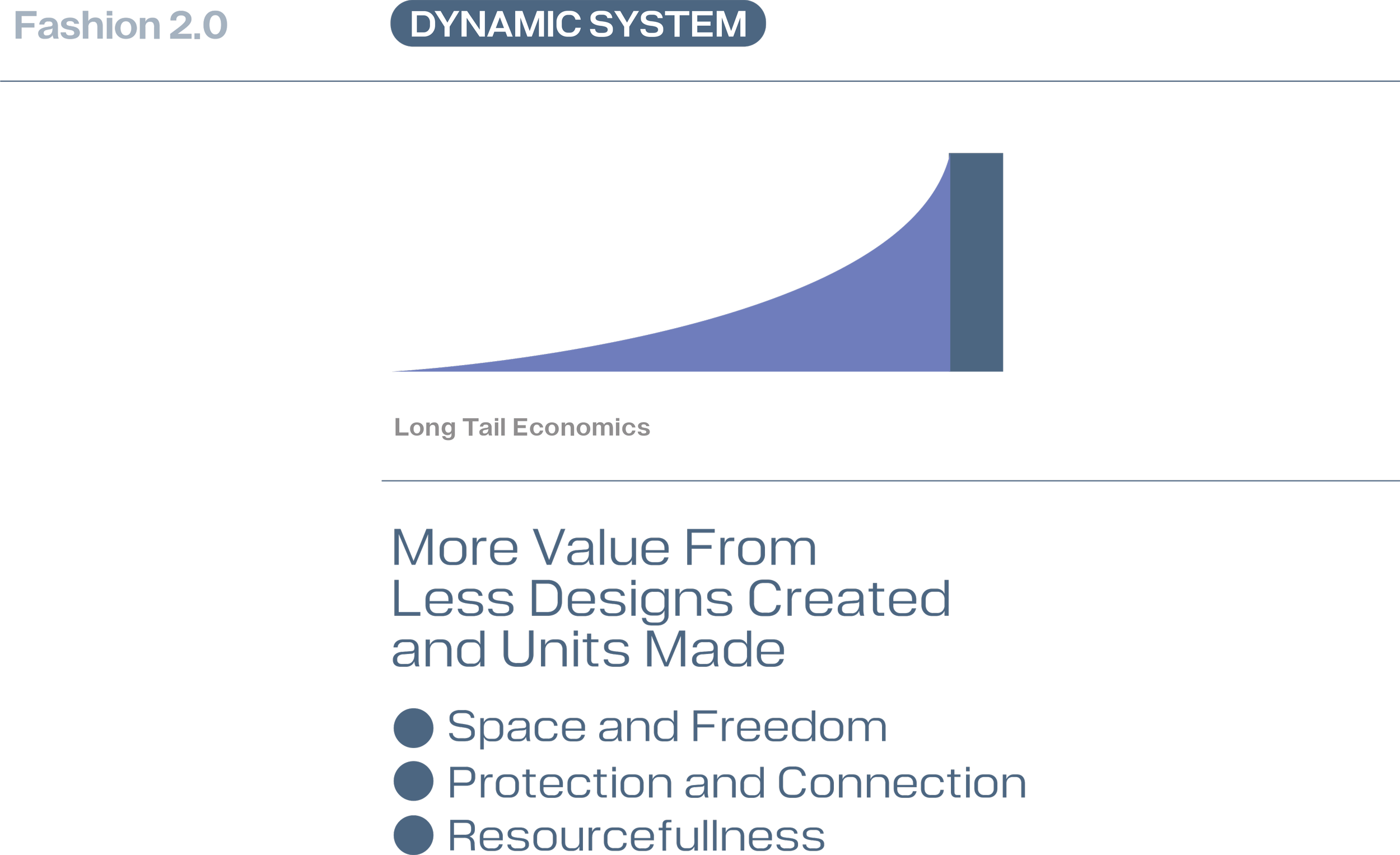
The Emergence of a Longer Tail Market Distribution
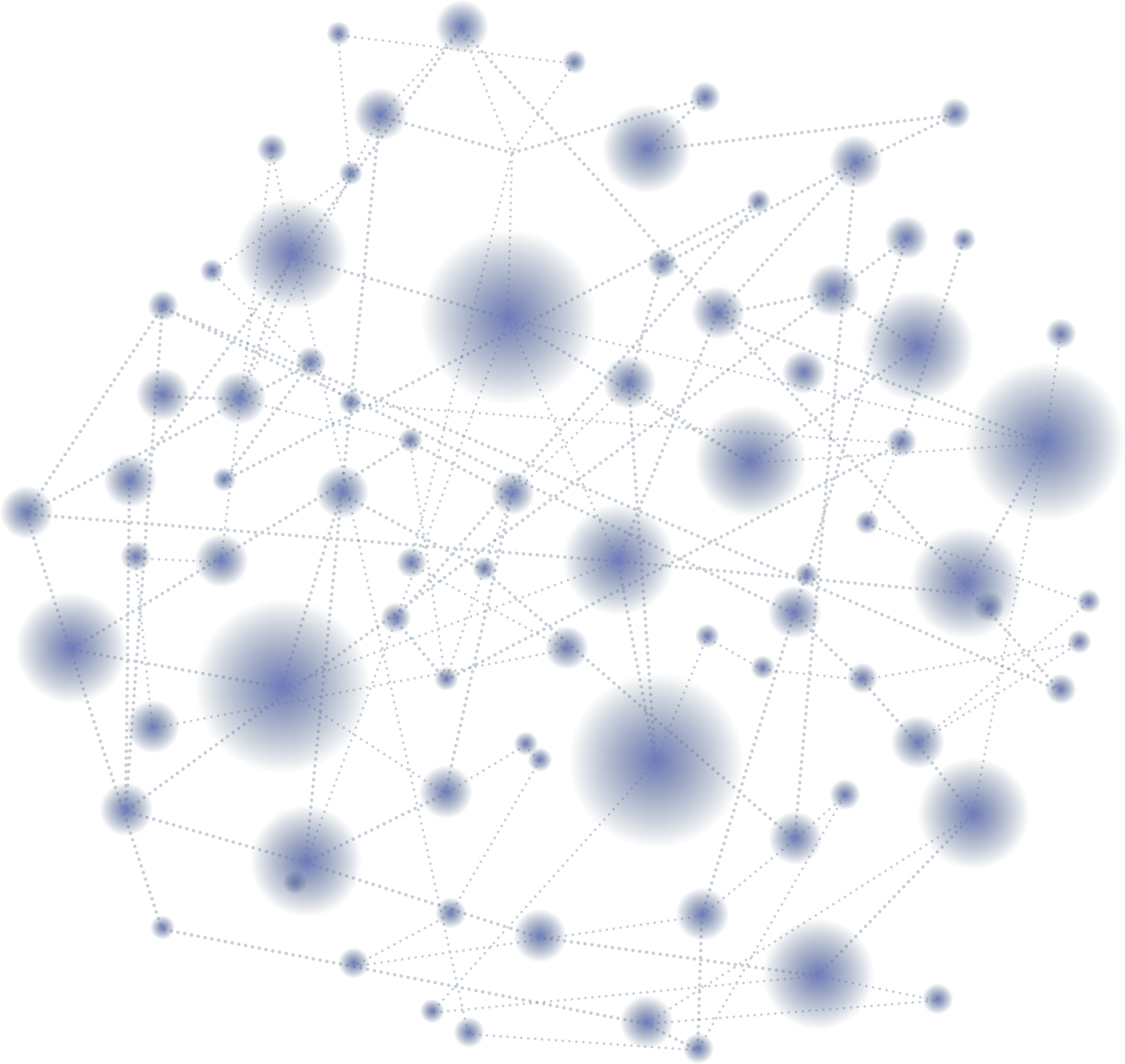
As ‘Fashion 2.0’ gains momentum, the industry is transitioning towards a longer tail market distribution, characterized by greater diversity and sustainability. This shift reflects growing consumer demand for authenticity and ethical practices, driving focus and loyalty to independent brands.
The circular nature of ‘Fashion 2.0’ fosters resource efficiency (making more from less) and reduces environmental impact, aligning with changing consumer values.
This longer tail market distribution allows for greater diversity and equality of access to young/independent creative entrepreneurs. A phased progression becomes possible with a multitude of new entry points to the market, alleviating many of the pressures that cause the great majority of fashion enterprises to fail within their fledgling years.
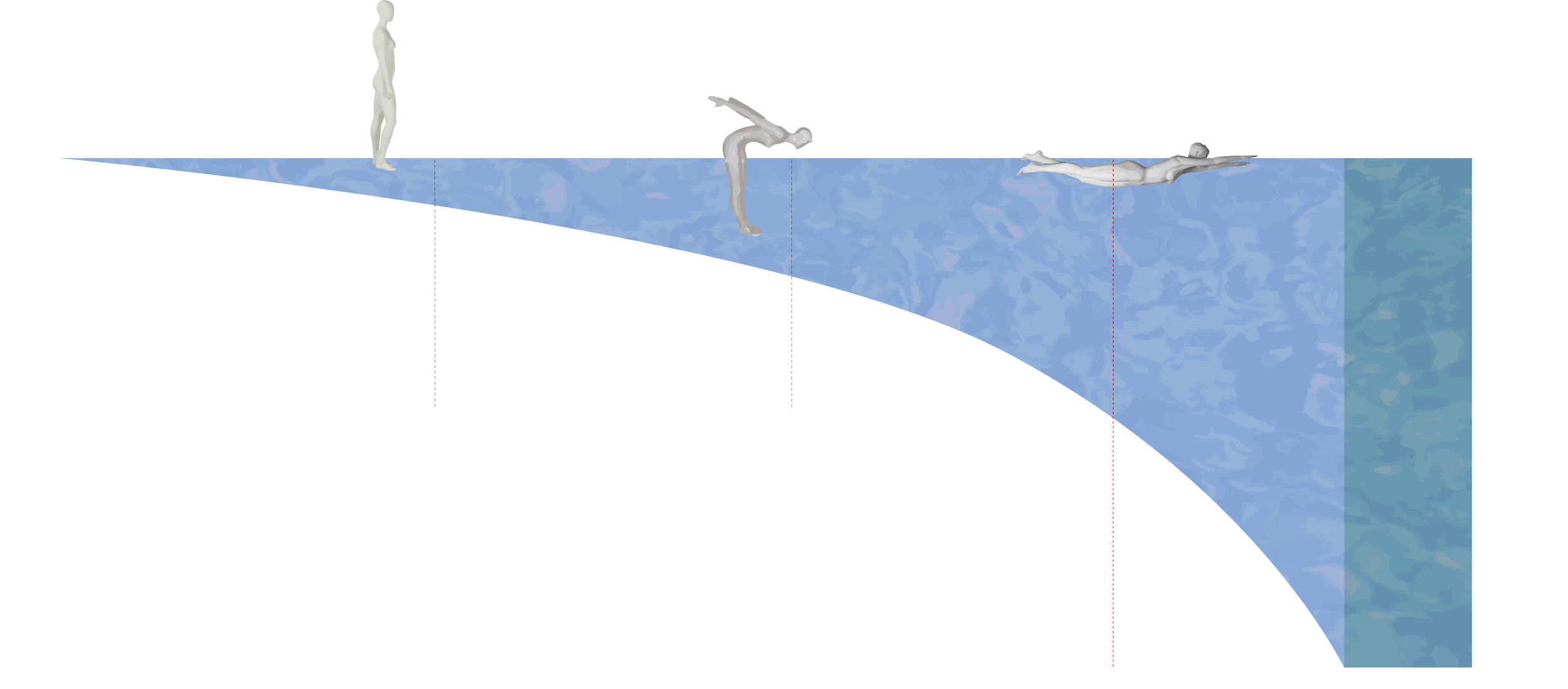
Jump in where you want and graduate sustainably at your own pace
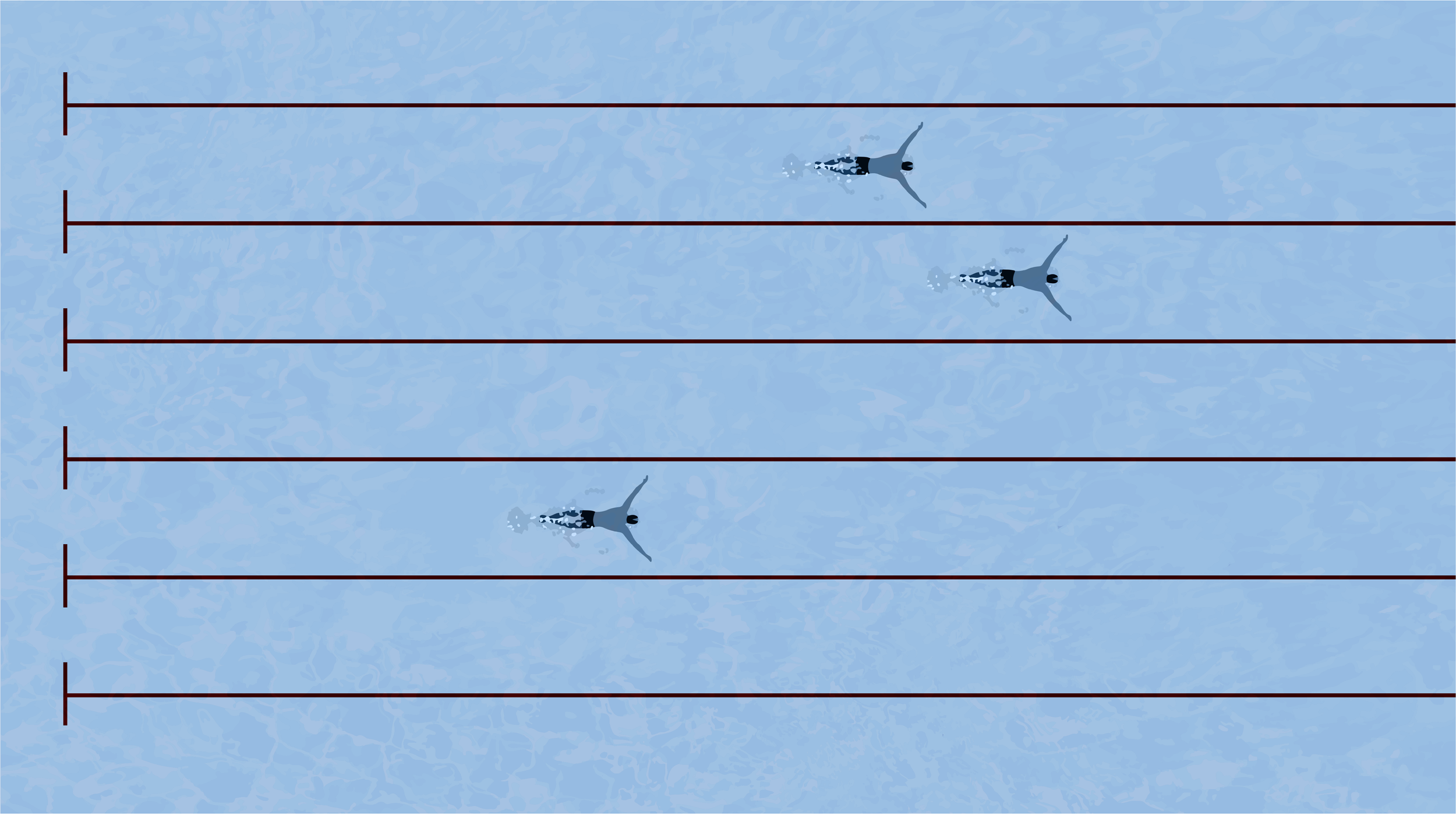
Choose your depth and your lane free of illogical pressures from an irrelevant agenda set by others.
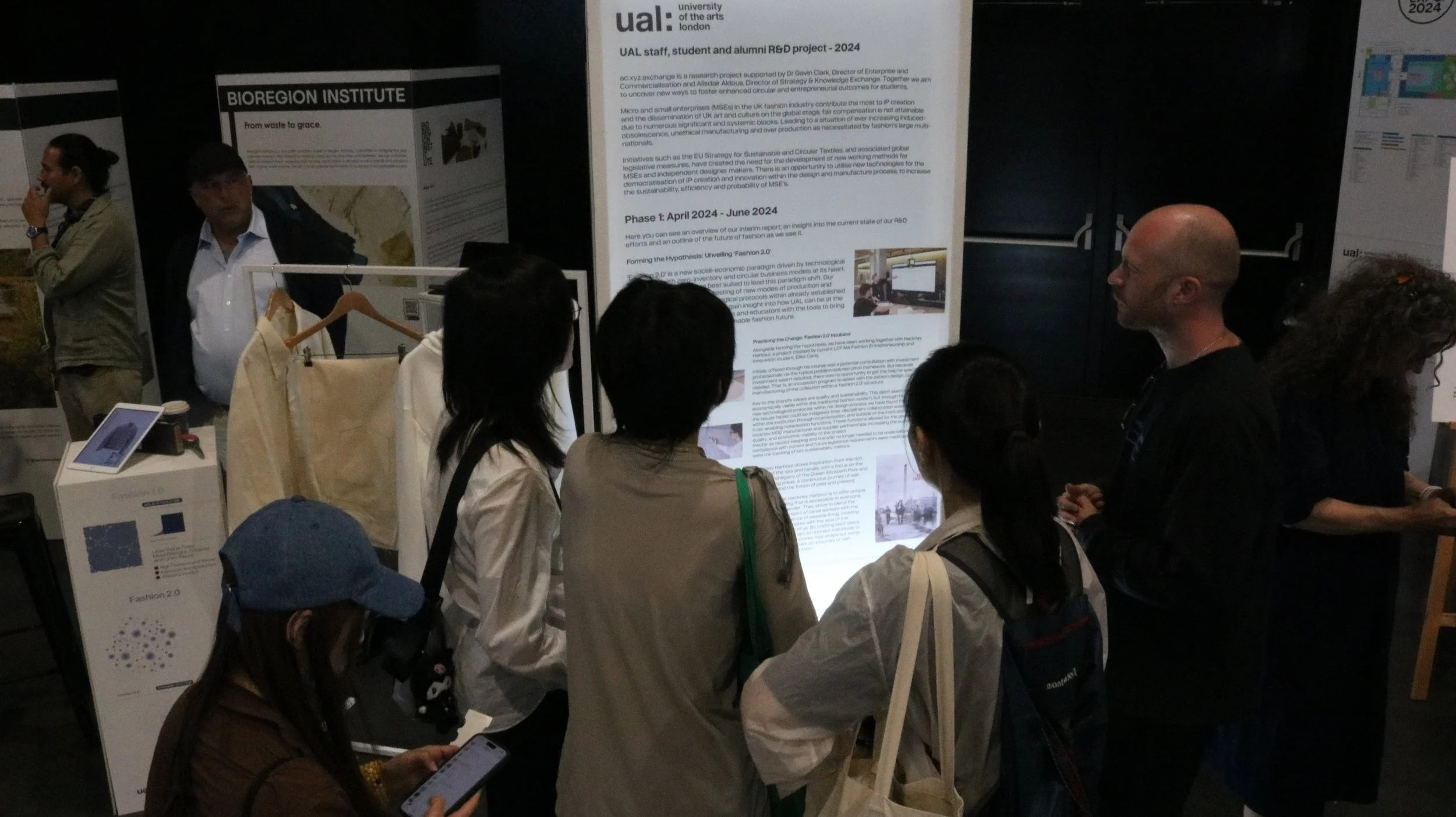
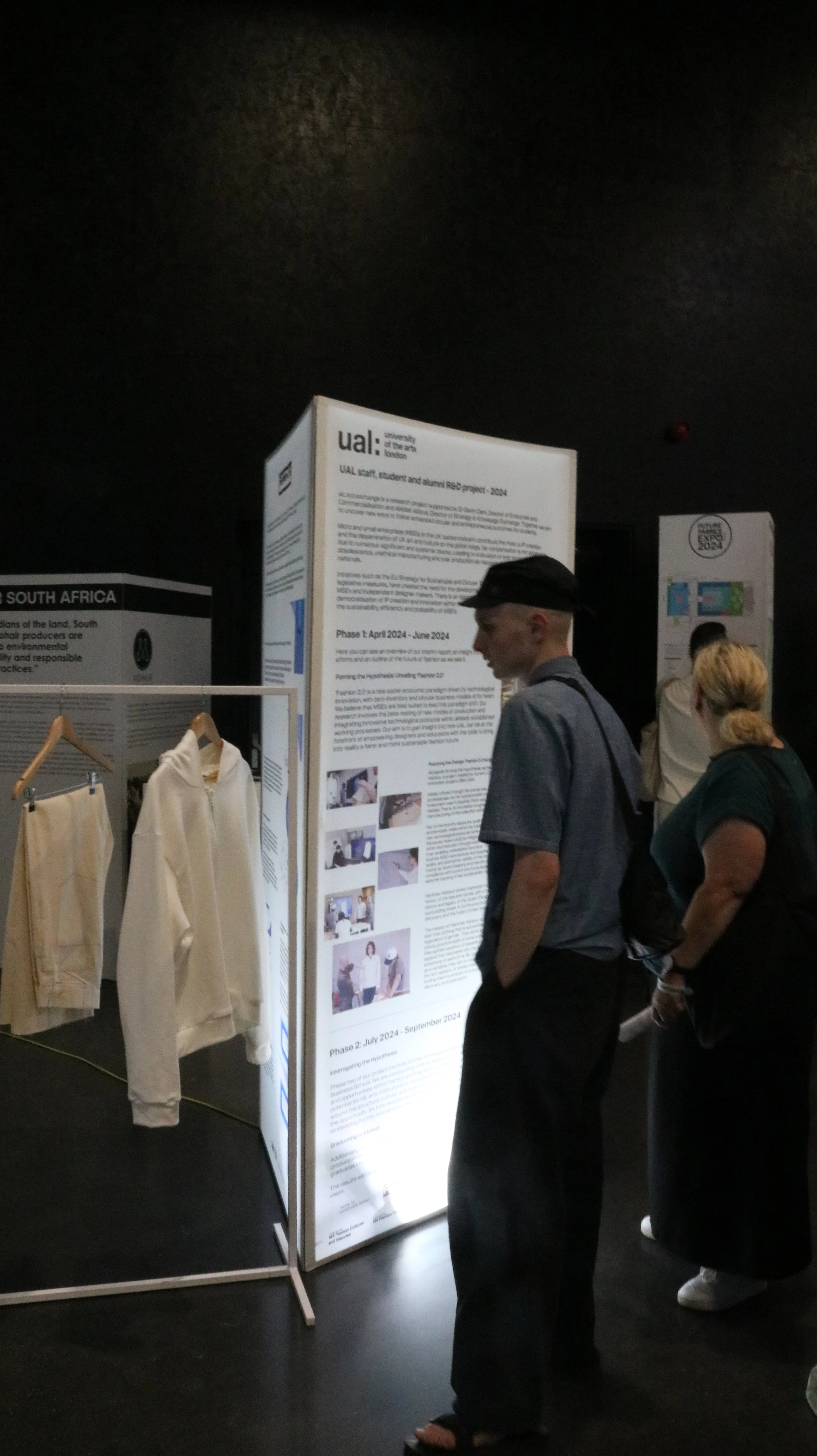
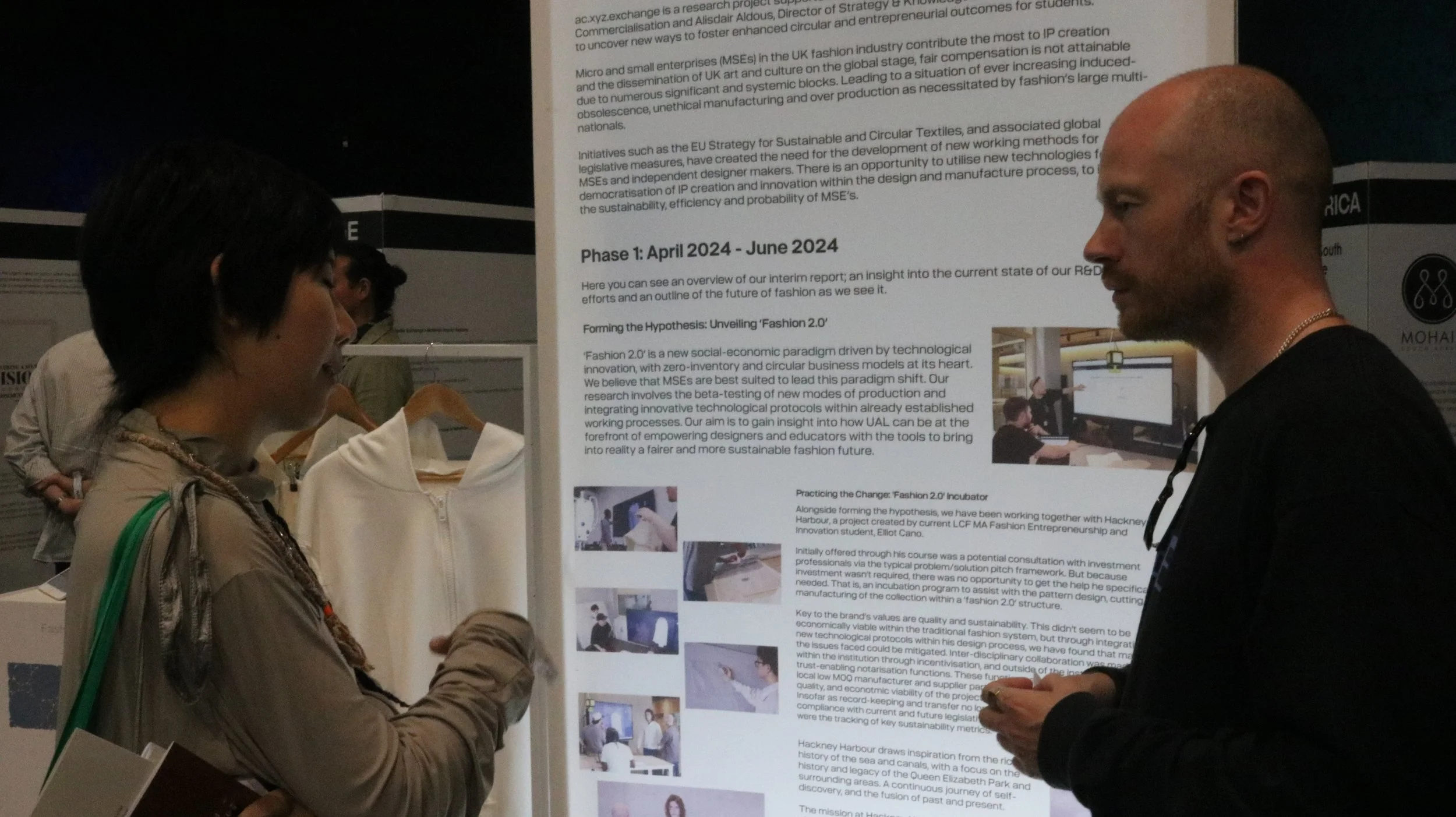
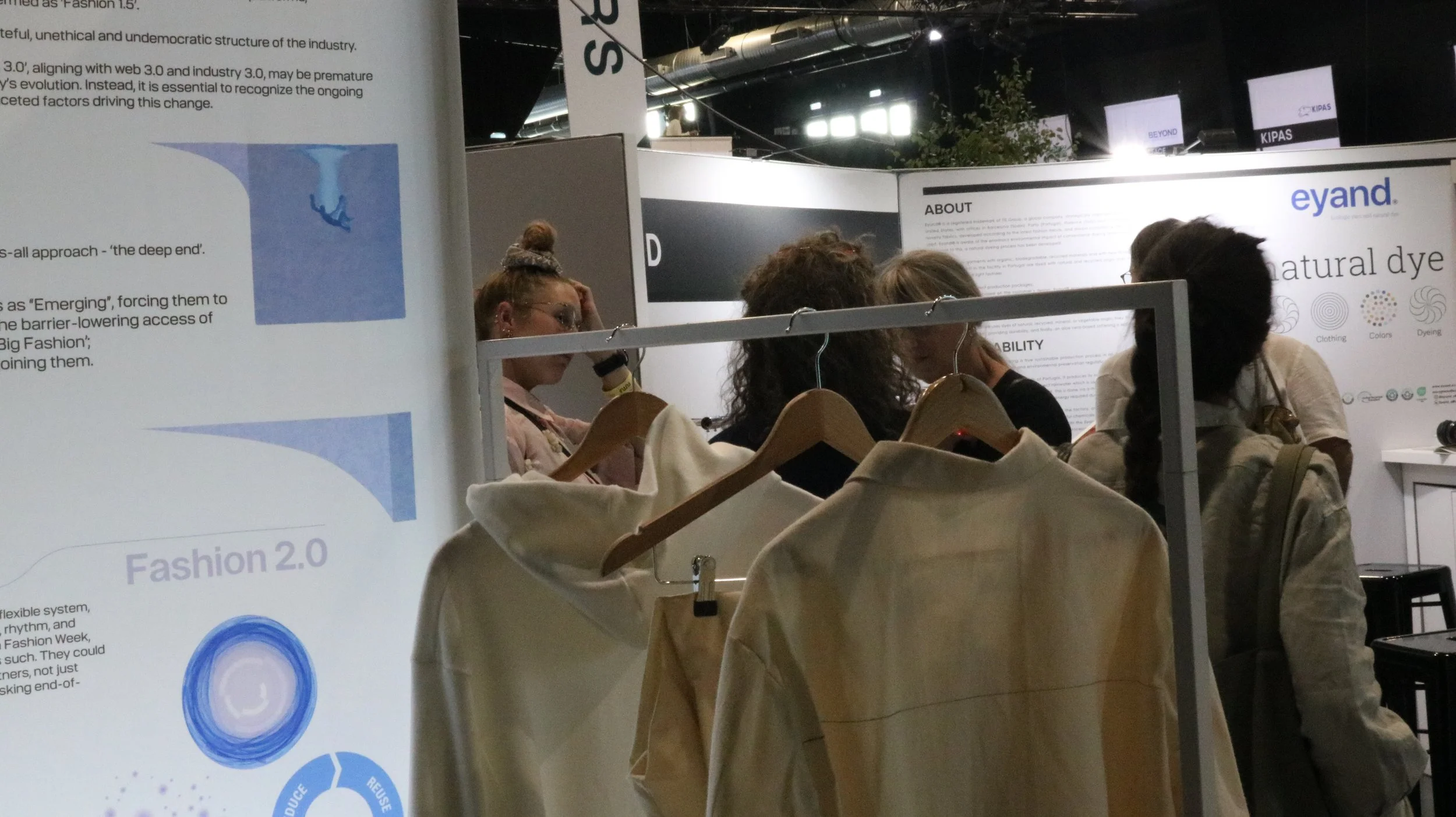
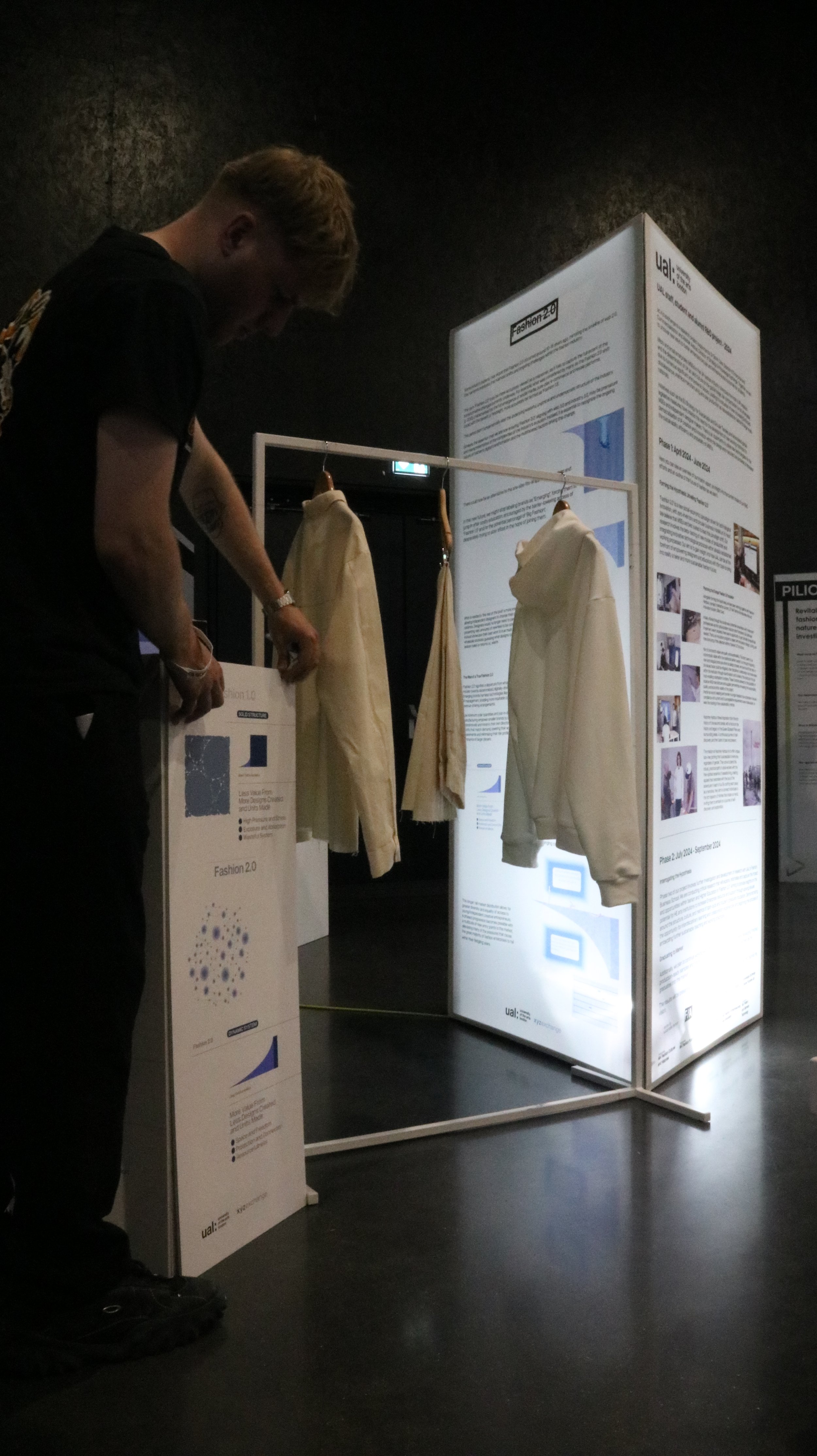
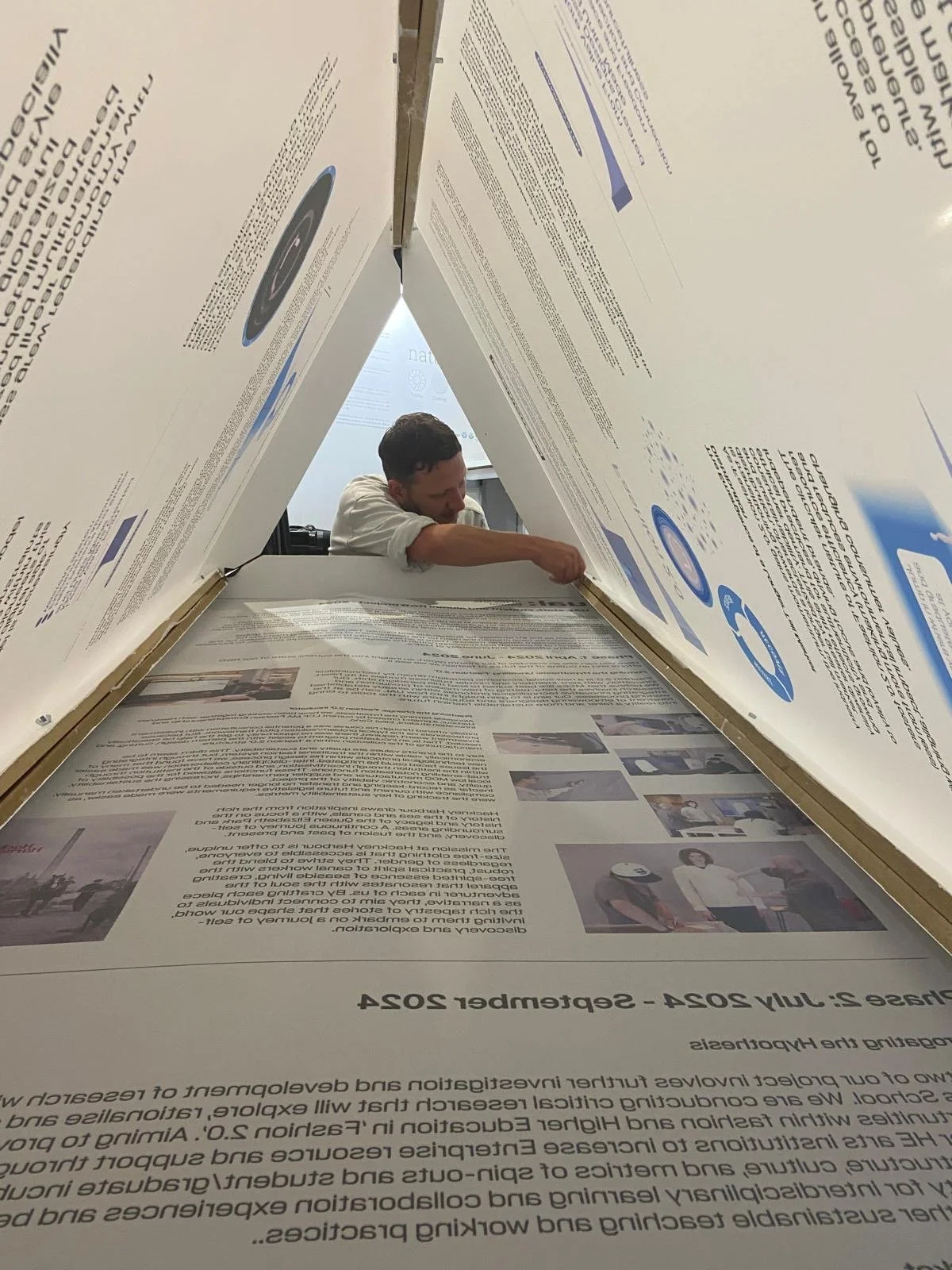
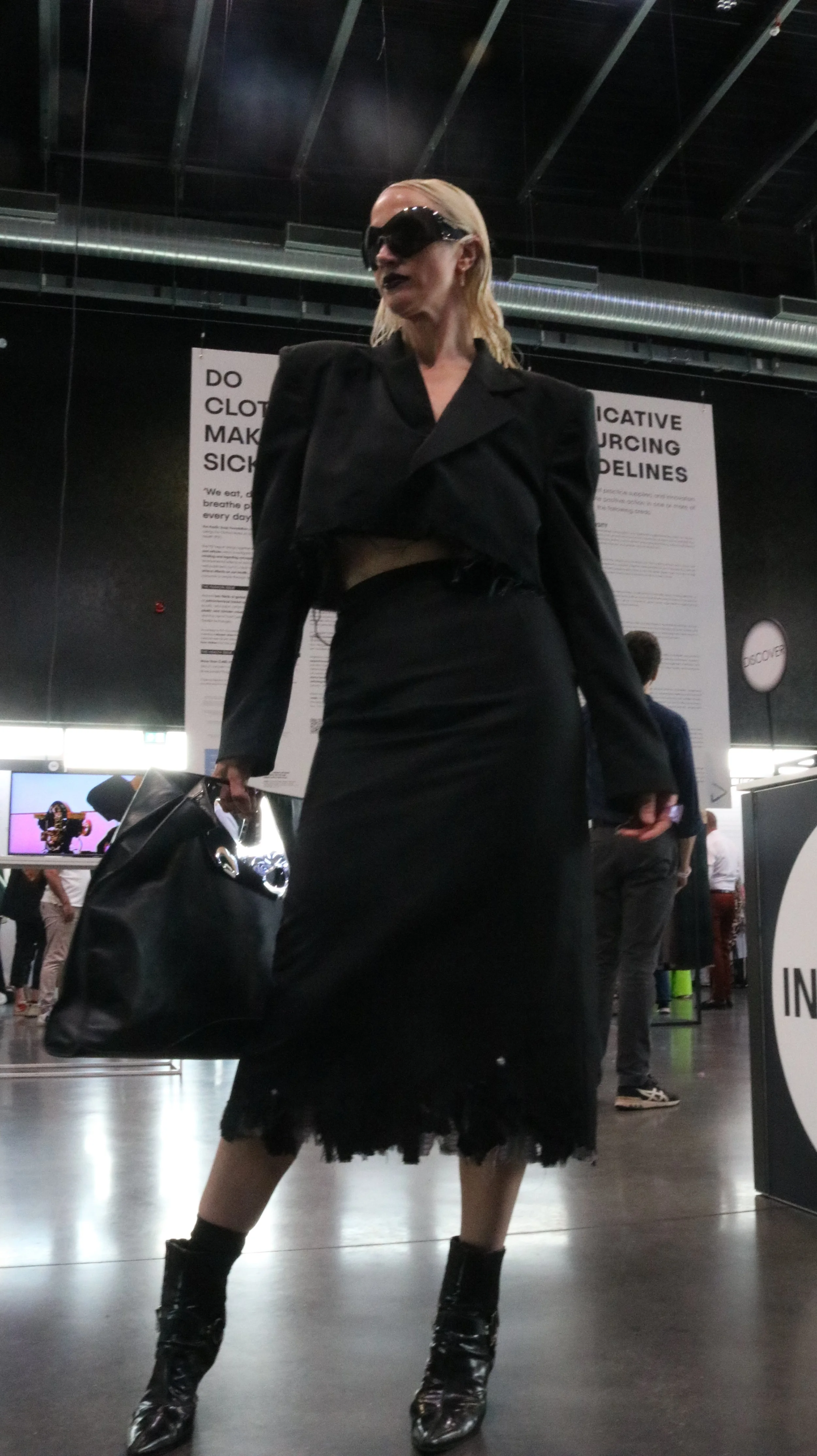
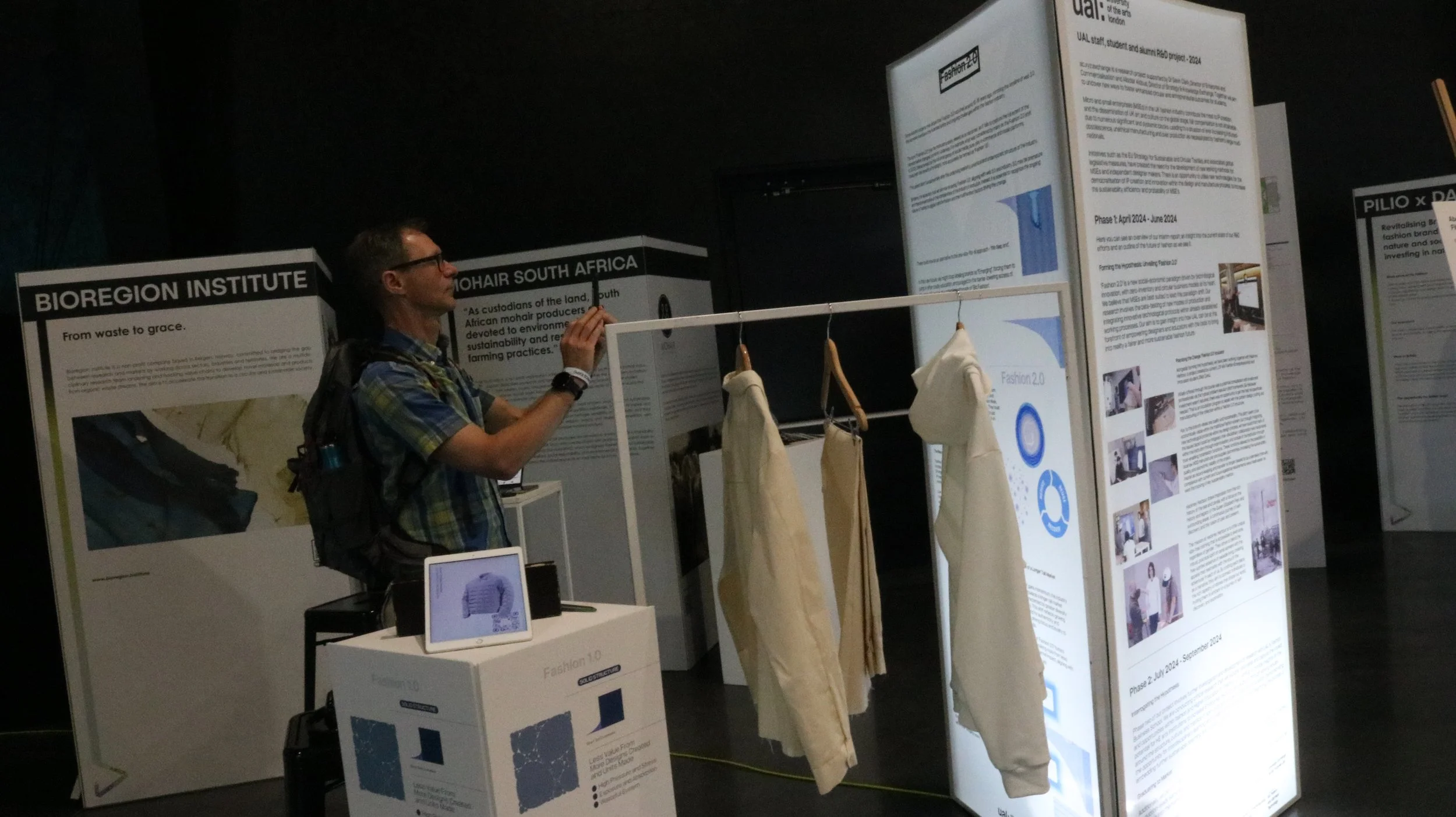
Below, an image gallery of images captured during our interim presentation at the 2024 future Fabrics Expo